Click on any picture to view and step through the gallery photos…….
-
- Click on picture for a larger view.
-
- Click on picture for a larger view.
-
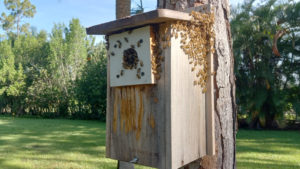
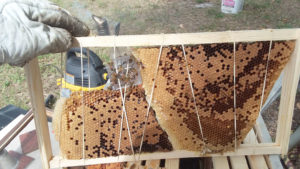
- The birdhouse was disassembled and the comb removed and mounted in brood box frames. The birdhouse was placed near the hive to allow remaining bees to easily find their new home entrance
-
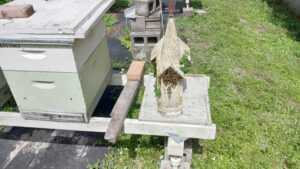
- The birdhouse moved to the apiary to settle down before transfer to a brood box. Click on picture for a larger view.
-
- Click on picture for a larger view.
-
- Click on picture for a larger view.
-
- Click on picture for a larger view.
-
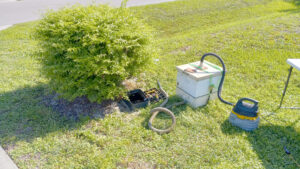
- Click on picture for a larger view.
-
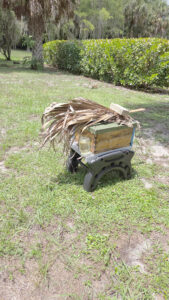
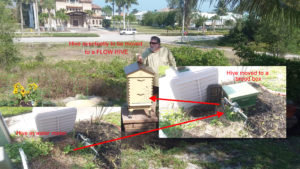
- Hive moved to a spot in a BB&G apiary, with a little entrance slow down and sugar water feeder. Click on picture for a larger view.
-
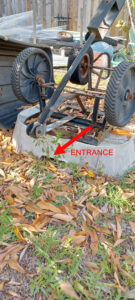
- Click on picture for a larger view.
-
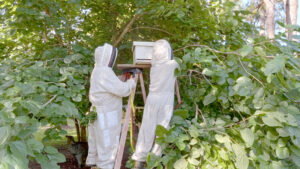
- With the hive’s comb and queen in a brood box, the box is temporarily positioned near the original location. Click on picture for a larger view.
-
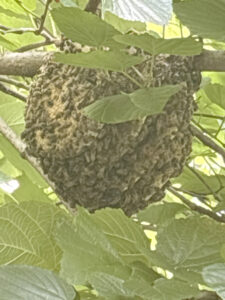
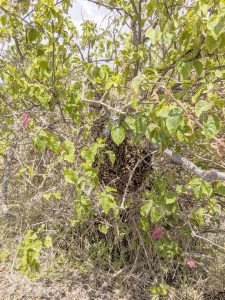
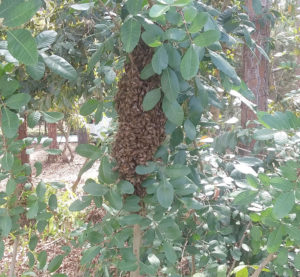
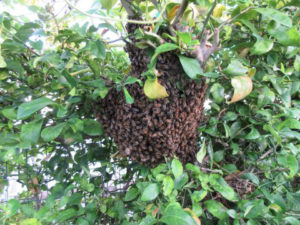
- Hive on a tree branch. Click on picture for a larger view.
-
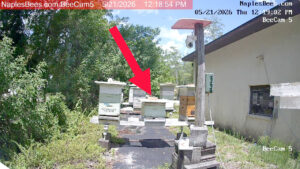
- Picture of the removal placed on the stand in the NaplesBees apiary. Click on picture for a larger view.
-
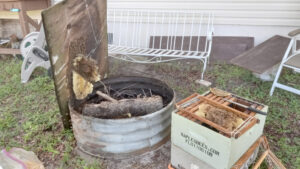
- Click on picture for a larger view.
-
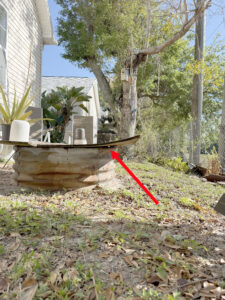
- Click on picture for a larger view.
-
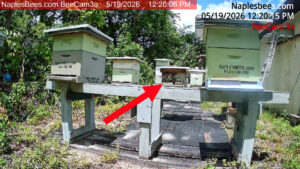
- The removed hive was placed in the NaplesBees apiary. Click on picture for a larger view.
-
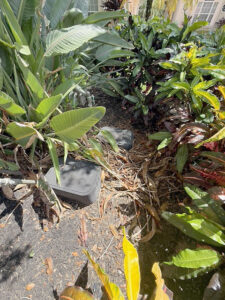
- Click on picture for a larger view.
-
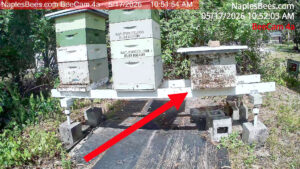
- Click on picture for a larger view.
-
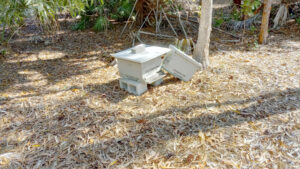
- The removed swarm placed in the west yard area temporarily to see if it stays and develops. Click on picture for a larger view.
-
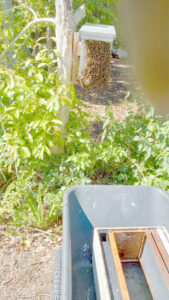
- A swarm trap on the edge of the main NaplesBees apiary was placed in a brood box and moved to the west yard area.
-
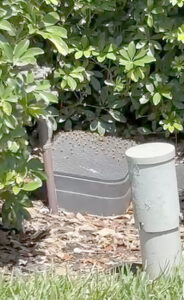
- Click on picture for a larger view.
-
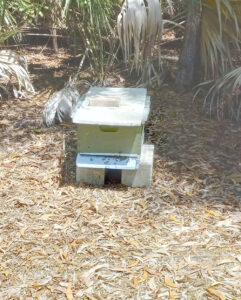
- Swarm moved to the NaplesBees west yard.
-
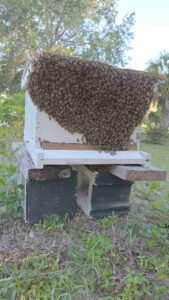
- Large swarm on the outside of a brood box trap. Click on picture for a larger view.
-
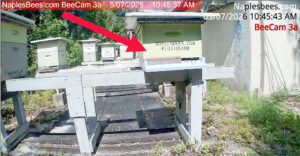
- A hive’s month long journey to finally being setup in the apiary. Click on picture for a larger view.
-
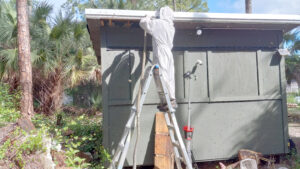
- Click on picture for a larger view.
-
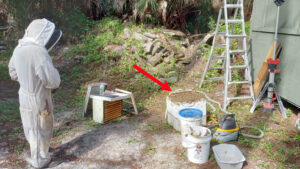
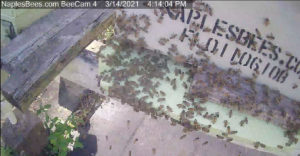
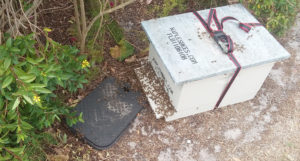
- Bees collected on the box of removed comb. Click on picture for a larger view.
-
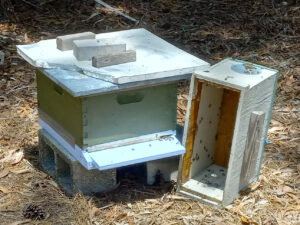
- Click on picture for a larger view.
-
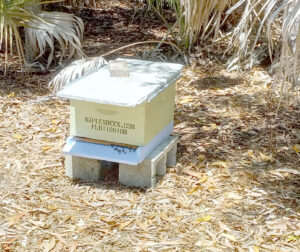
- Click on picture for a larger view.
-
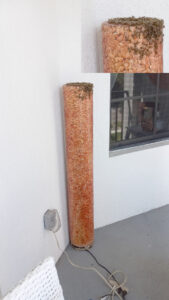
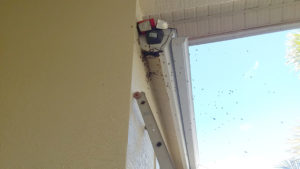
- Swarm in a light fixture. Click on picture for a larger view.
-
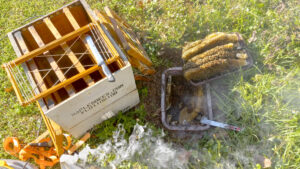
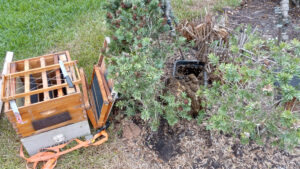
- Setting up the brood box to accept all the cut out comb to be mounted in the frames. Click on picture for a larger view.
-
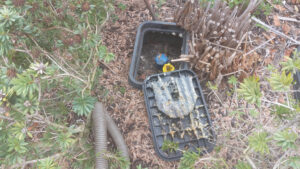
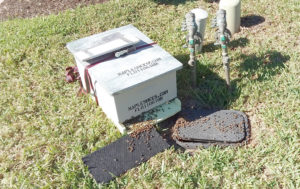
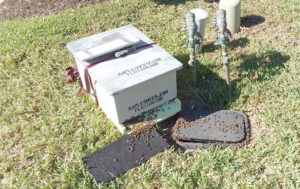
- After all the comb has been removed and most of the comb removed from the water meter lid. Click on picture for a larger view.
-
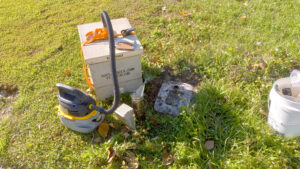
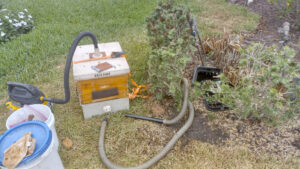
- Getting the beevac ready to move and closing up the water meter. Click on picture for a larger view.
-
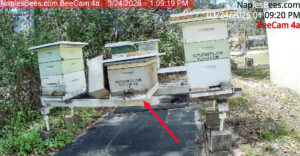
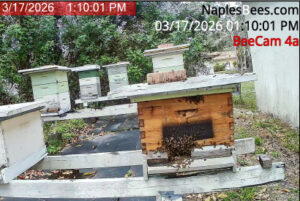
- Placing the new hive in the apiary and letting the bees get reoriented to their new location. Click on picture for a larger view.
-
- Click on picture for a larger view.
-
- Click on picture for a larger view.
-
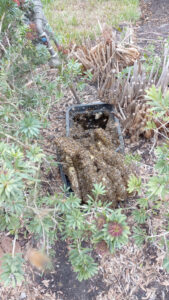
- Click on picture for a larger view.
-

- Click on picture for a larger view.
-

- Click on picture for a larger view.
-
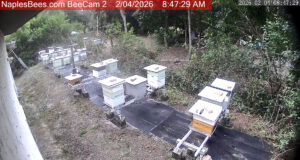
- Click on picture for a larger view.
-
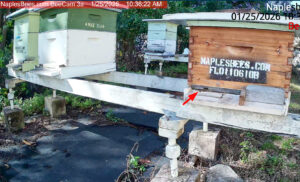
- A couple weeks later, an inspection of the hive in the apiary revealed that comb was being built and the queen was laying eggs….. a sure sign the bees will be staying and the hive growing. Click on picture for a larger view.
-
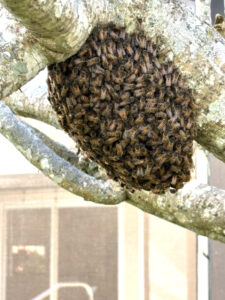
- Click on picture for a larger view.
-
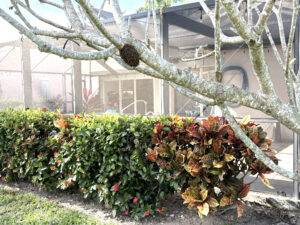
- Click on picture for a larger view.
-
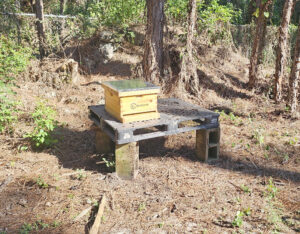
- Click on picture for a larger view.
-
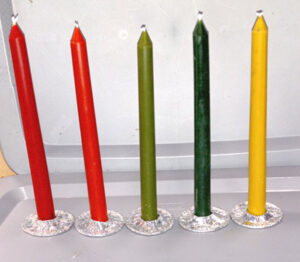
- 100% beeswax 10 inch taper candles.
-
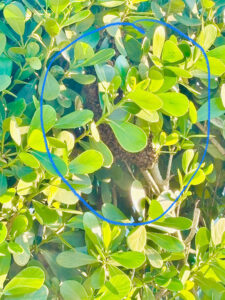
- Click on picture for a larger view.
-
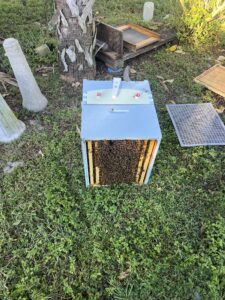
- Click on picture for a larger view.
-
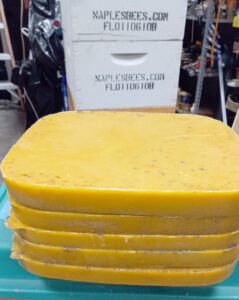
- 18 pounds of wax harvested from the spun out super frames. Click on picture for a larger view.
-
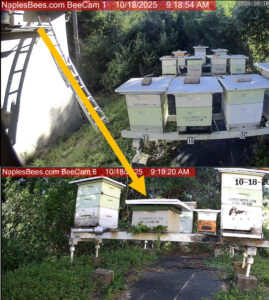
- Click on picture for a larger view.
-
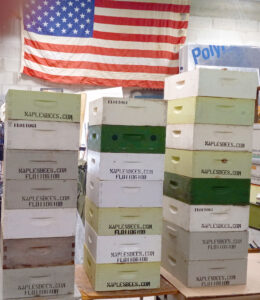
- Super stacked and ready for storage. The extracted frames were set out for the bees to remove any residual honey and then scraped of wax comb and prepared for storage.
-
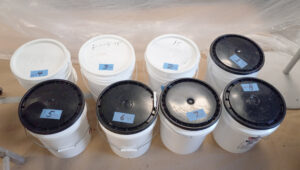
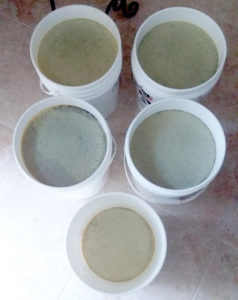
- Buckets of Honey ! Click on picture for a larger view.
-
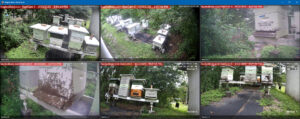
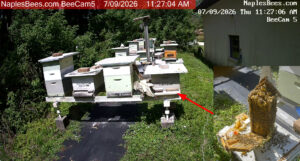
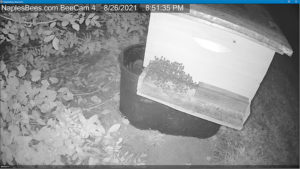
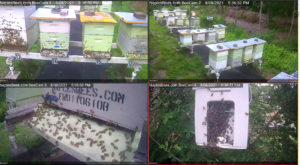
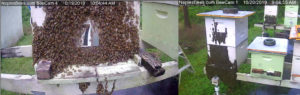
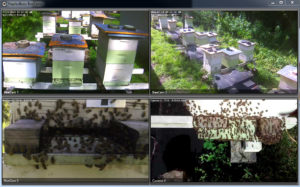
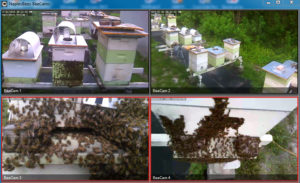
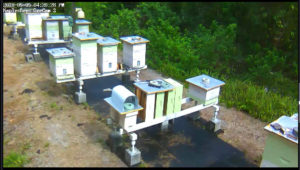
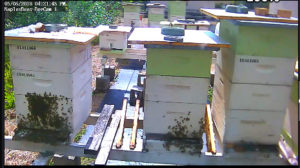
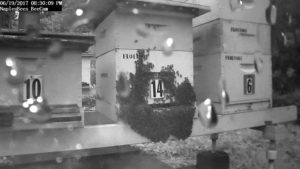
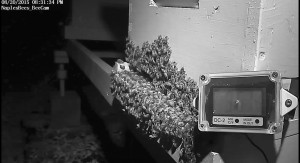
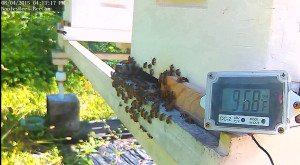
- BeeCams on a late summer afternoon. Click on picture for a larger view.
-
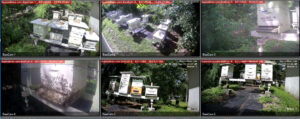
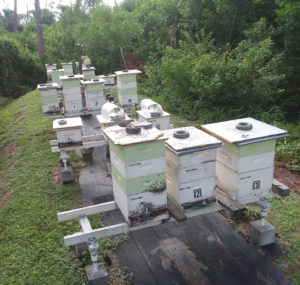
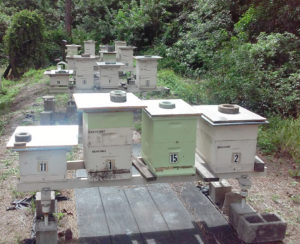
- Apiary 8/2025. Click on picture for a larger view.
-
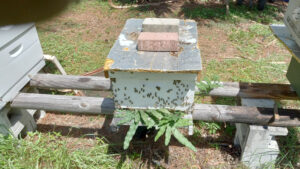
- The removed hive shown at their new location in a BB&G apiary. Click on picture for a larger view.
-
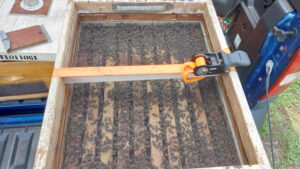
- 8 frames of rubber band mounted comb along with thousands of bees are in the beevac box. Click on picture for a larger view.
-
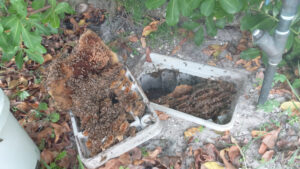
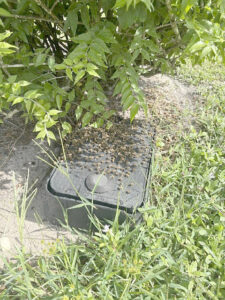
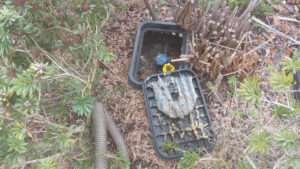
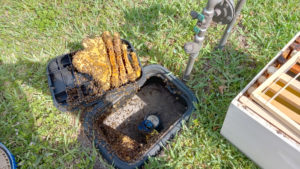
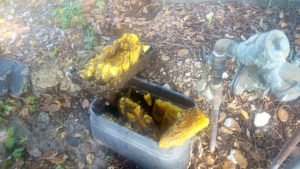
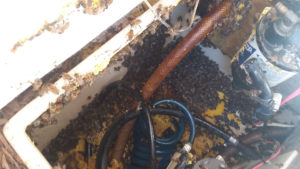
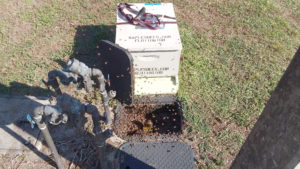
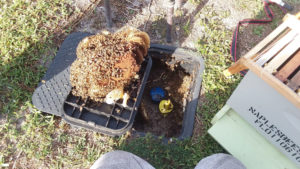
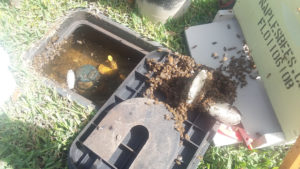
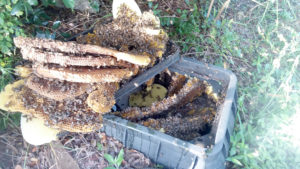
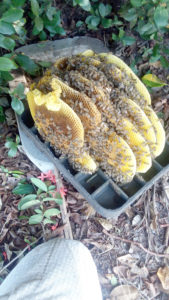
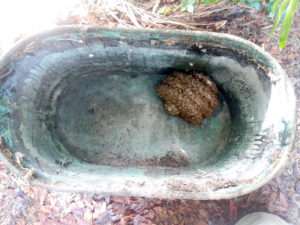
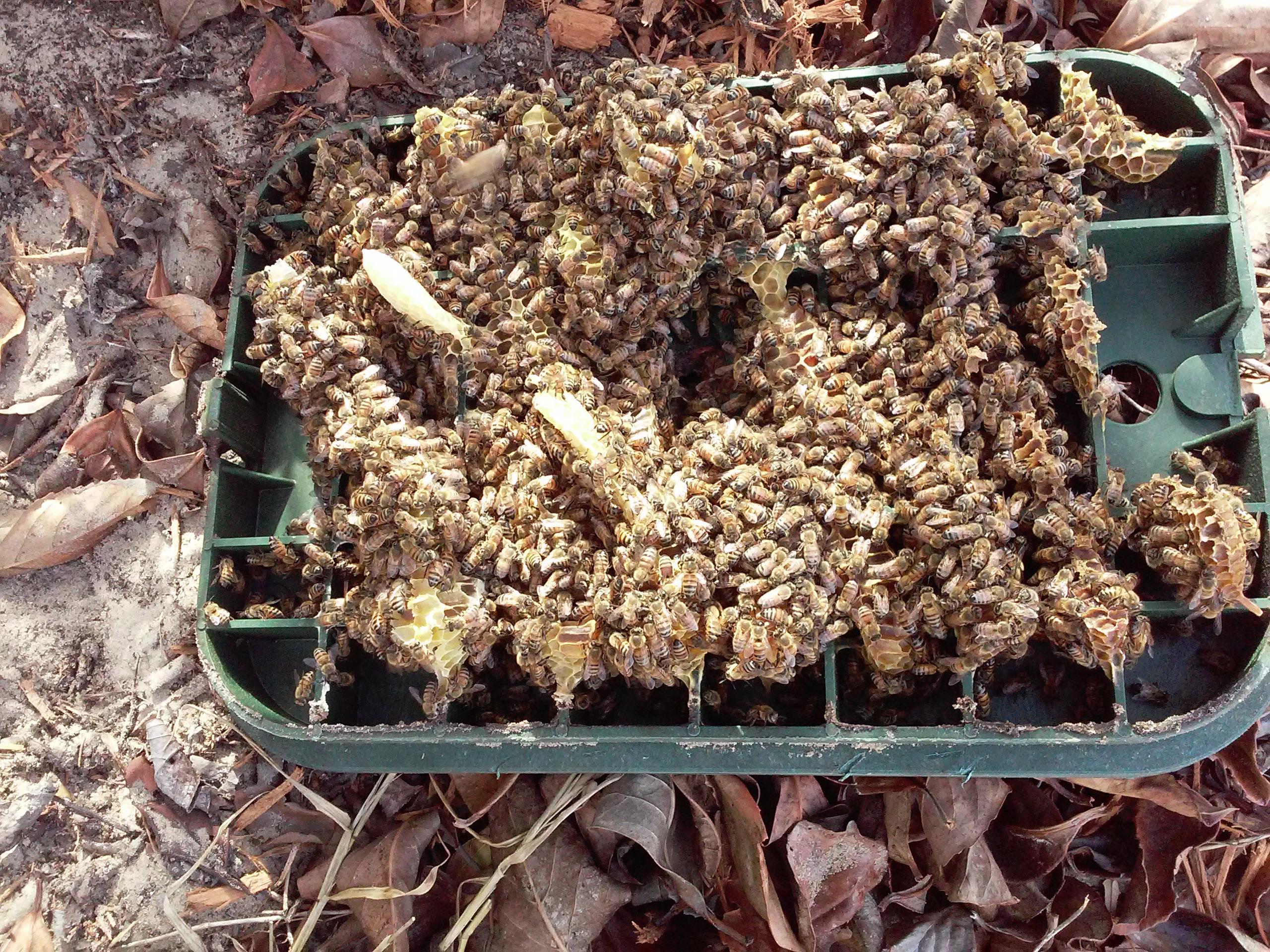
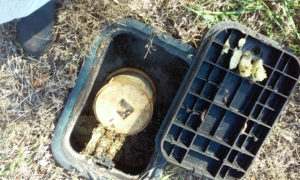
- Water meter box filled with bees and comb. Click on picture for a larger view.
-
- Click on picture for a larger view.
-
- Click on picture for a larger view.
-
- Click on picture for a larger view.
-
- Click on picture for a larger view.
-
- Click on picture for a larger view.
-
- Click on picture for a larger view.
-
- Click on picture for a larger view.
-
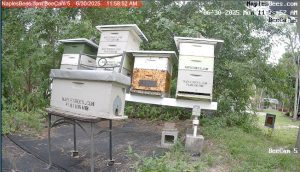
- Swarm went in to a nuc box on a chair. Click on picture for a larger view.
-
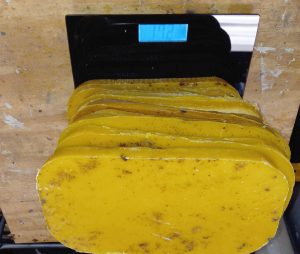
- 17.2 pounds of wax harvested from the extracted honey frames and run through a solar melter for the first melt.
-
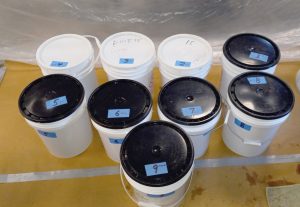
- 5/30/2025 Honey_Harvest

-
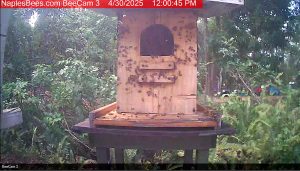
- The large owl box was set up in the apiary to give the bees a chance to settle down. If all goes well, all the comb and bees will be transferred to a langstroth hive box.
-
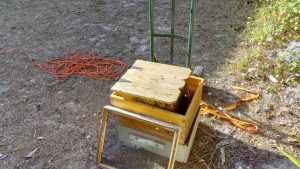
- Fitting the large size owl box into a few hive boxes for transport. Click on picture for a larger view.
-
- Click on picture for a larger view.
-
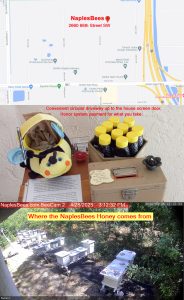
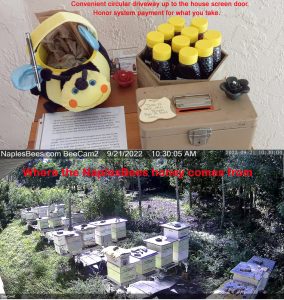
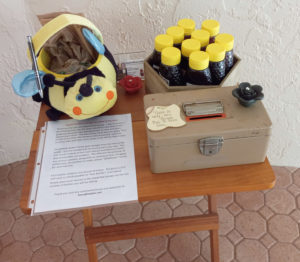
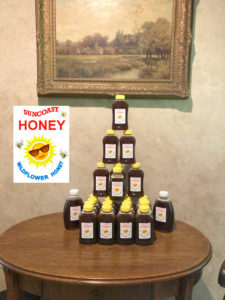
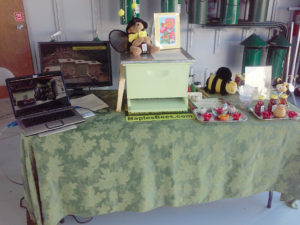
- NaplesBees honey table
-
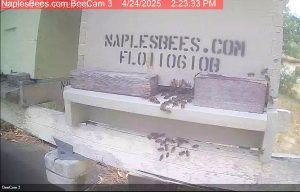
- In the apiary and getting a chance to settle down. Click on picture for a larger view.
-
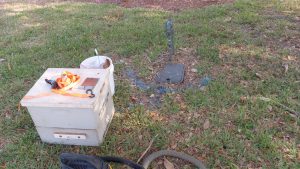
- Getting the gear, including the beevac, positioned to remove the hive in the water meter. Click on picture for a larger view.
-
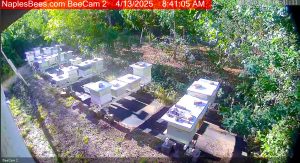
- Click on picture for a larger view.
-
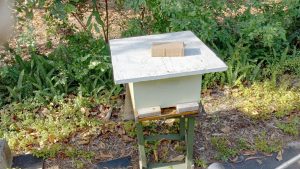
- Click on picture for a larger view.
-
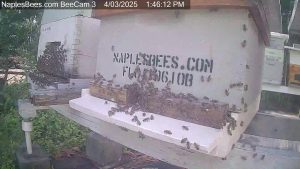
- Click on picture for a larger view.
-
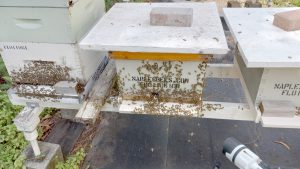
- The beevac brood box and all the rubber banded comb put in place in the apiary. Click on picture for a larger view.
-
- Click on picture for a larger view.
-
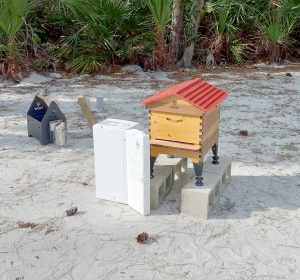
- Click on picture for a larger view.
-
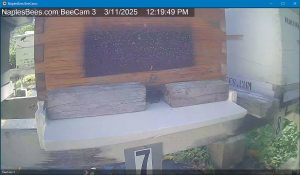
- After removal and transport to the apiary. Click on picture for a larger view.
-
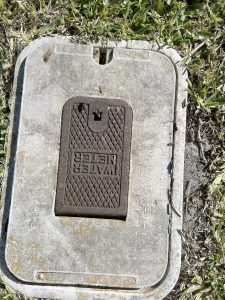
- Click on picture for a larger view.
-
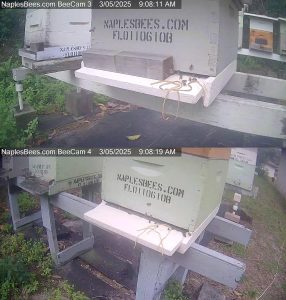
- House cleaning being done by the bees. Click on picture for a larger view.
-
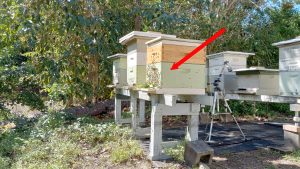
- This large live removal finally is in the apiary. A little vegetation for a while on the front helps the bees to reorient. Click on picture for a larger view.
-
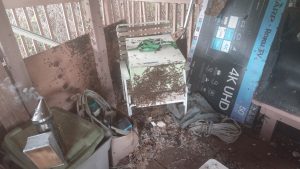
- Many frames of brood were cut out and mounted in frames and then the box was placed in position of the original hive. Click on picture for a larger view.
-
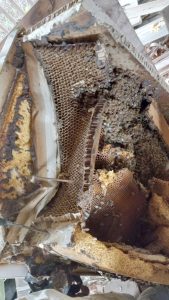
- Close up view after removing some comb. Click on picture for a larger view.
-
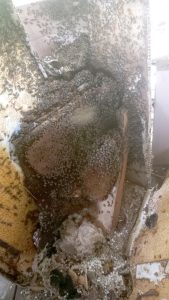
- A large hive in an old cardboard box. Click on picture for a larger view.
-
- The bees should settle down in a short time. Click on picture for a larger view.
-
- Almost done getting all the comb and bees in to a brood box. Click on picture for a larger view.
-
- All the comb was removed from the Owl box and rubber banded in to frames in a brood box in the apiary. The Owl box was packed with brood comb and bees!! Click on picture for a larger view.
-
- Click on picture for a larger view.
-
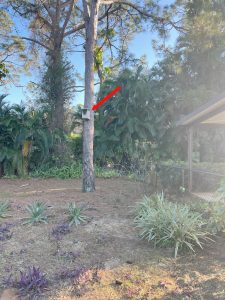
- Click on picture for a larger view.
-
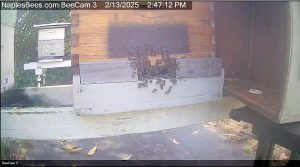
- Click on picture for a larger view. After only a short time, any bees in the capture boxes have found the entrance to their hive box containing the owl box.
-
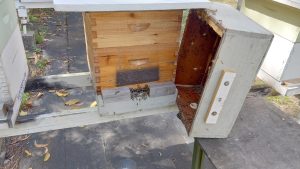
- Click on picture for a larger view. The owl box is inside a stack of boxes in the apiary. In a few days, the owl box will be dismantled and the comb will be mounted in frames.
-
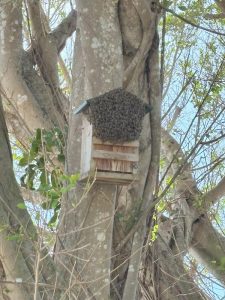
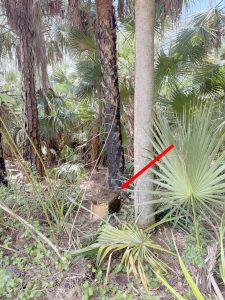
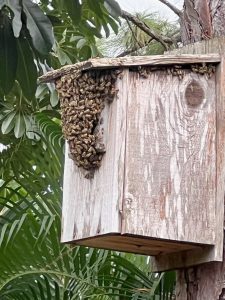
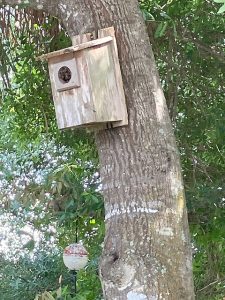
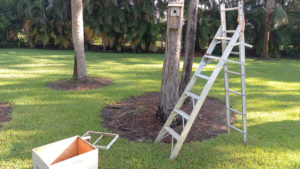
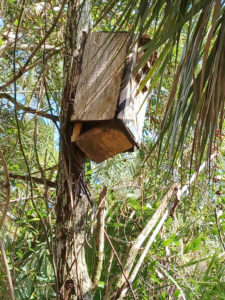
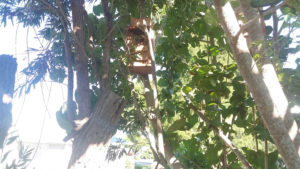
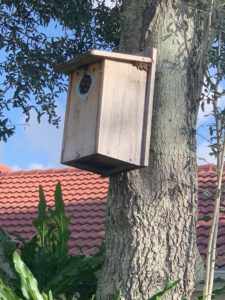
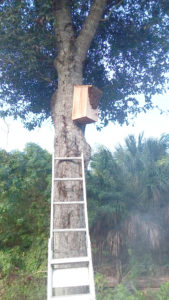
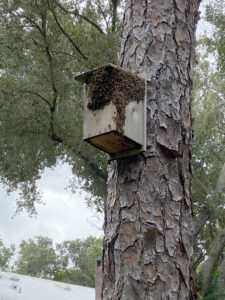
- Owl box about 15 feet high on a tree trunk. Click on picture for a larger view
-
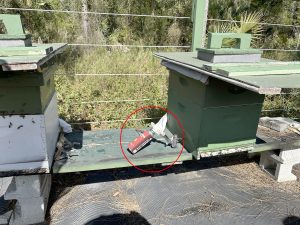
- A butane heated vaporizer if used to treat the hives with Oxalic acid. Click on picture for a larger view.
-
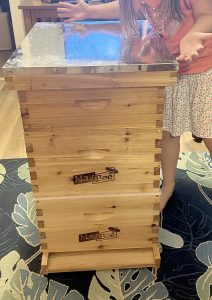
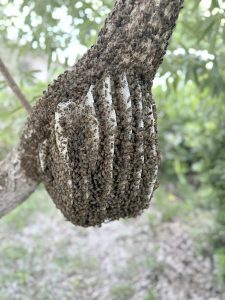
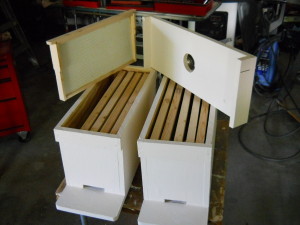
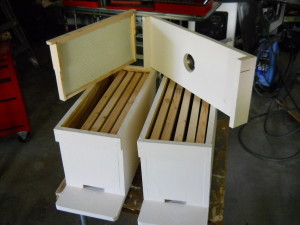
- Brand new bee boxes ready for that tree hive. Click on picture for a larger view.
-
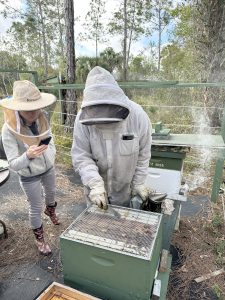
- Checking the boxes. Click on picture for a larger view.
-
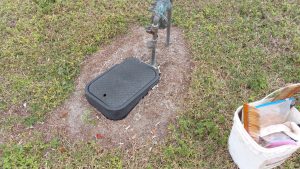
- Click on picture for a larger view.
-
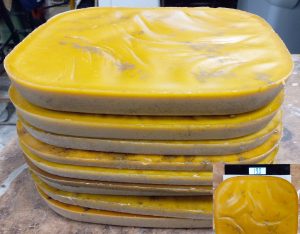
- 19 pounds of wax rendered from the last honey harvest. Click on picture for a larger view.
-
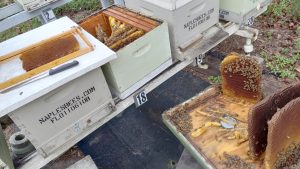
- Click on picture for a larger view.
-
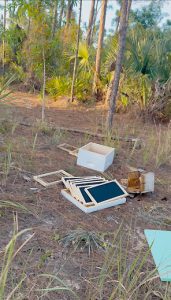
- Bears visited the hive in a few days after the transfer. Only solution will be to construct an electric fence around the apiary. Click on picture for a larger view
-
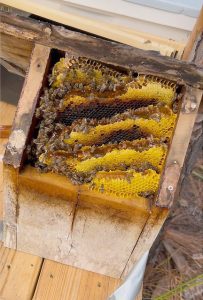
- Bees and comb in the birdhouse that were removed and rubber banded on frames in the brood box. Click on picture for a larger view.
-

- Click on picture for a larger view.
-
- Click on picture for a larger view.
-
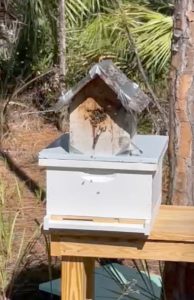
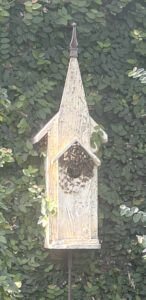
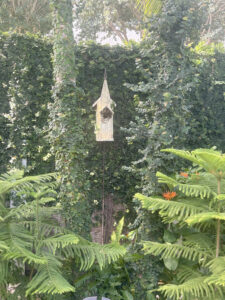
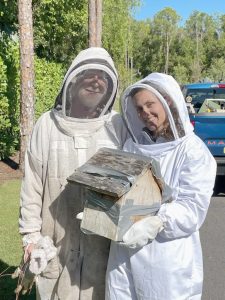
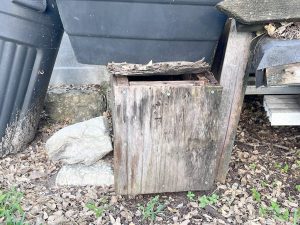
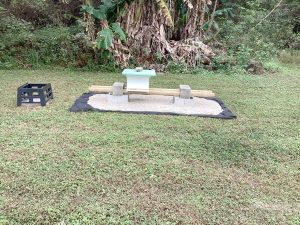
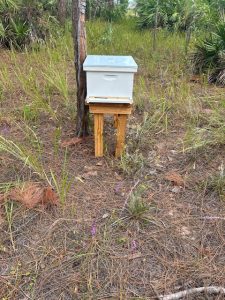
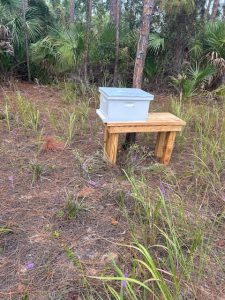
- Birdhouse at the apiary, letting the bees get oriented for a week before transferring the comb/bees to the brood box.
-
- Click on picture for a larger view.
-
- Click on picture for a larger view.
-
- Click on picture for a larger view.
-
- Click on picture for a larger view.
-
- Click on picture for a larger view.
-
- Click on picture for a larger view.
-
- Click on picture for a larger view
-
- Click on picture for a larger view.
-
- Click on picture for a larger view
-
- Click on picture for a larger view.
-
- Click on picture for a larger view.
-
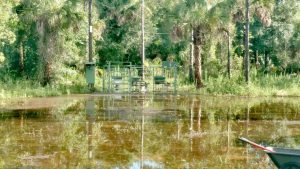
- Flooded back yard. Click on picture for a larger view.
-
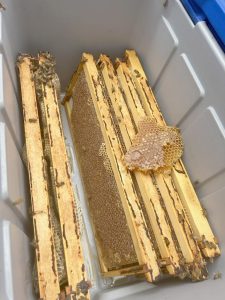
- A few of the frames of honey harvested and getting ready for extraction. Click on picture for a larger view.
-
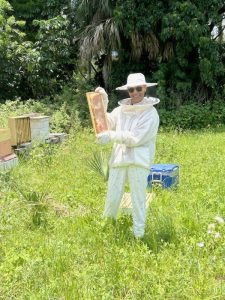
- Apiary hive inspection shows frames packed with honey. Click on picture for a larger view.
-
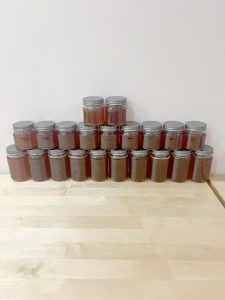
- Click on picture for a larger view.
-
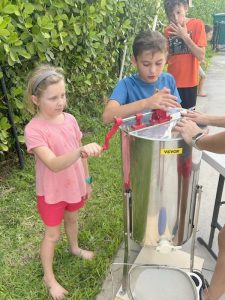
- Click on picture for a larger view.
-
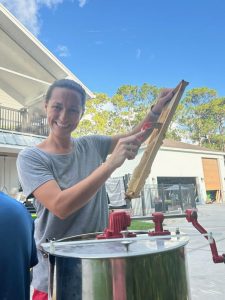
- Click on picture for a larger view.
-
- Click on picture for a larger view.
-
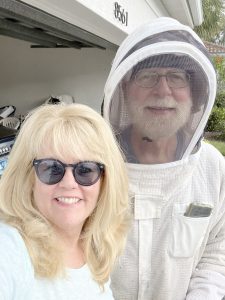
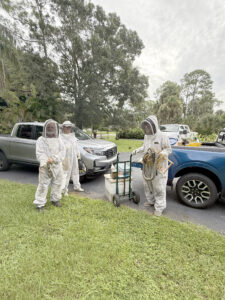
- Everybody happy to see the bees get a good home. Click on picture for a larger view.
-

- Setting up the gear. Click on picture for a larger view.
-
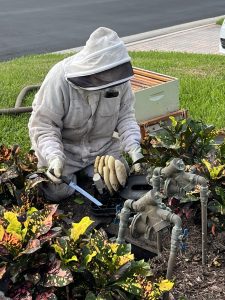
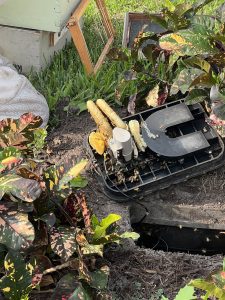
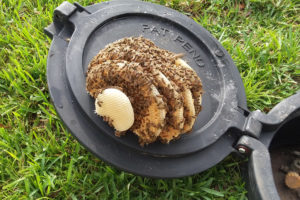
- Opening the water meter and showing how the comb is built hanging from the box’s top. Click on picture for a larger view.
-
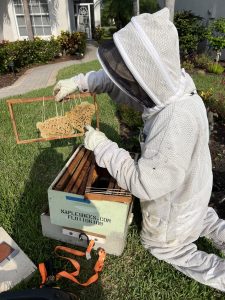
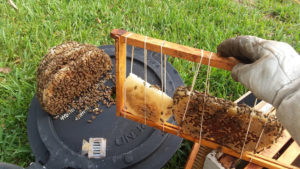
- Cutting the comb off of the meter’s top and mounting in frames with rubber bands. Click on picture for a larger view.
-
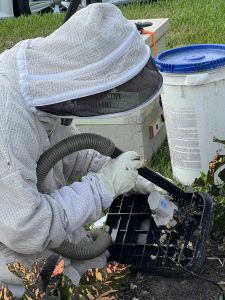
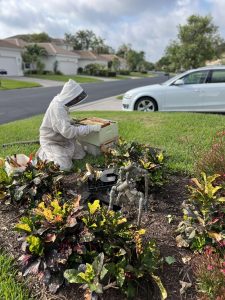
- Vacuuming up the bees with the “beevac”. Click on picture for a larger view.
-

- A taste of honey straight from the hive! Click on picture for a larger view.
-

- Click on picture to go to book details
-
- Click on picture for a larger view.
-

- After removal of the comb which was mounted in hive box frames. Click on picture for a larger view.
-

- Close up of the hive prior to removal. Click on picture for a larger view.
-

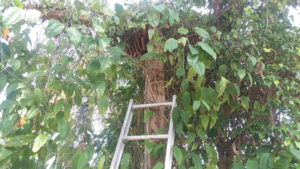
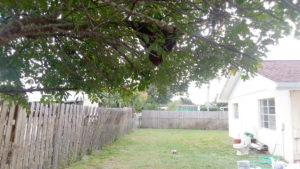
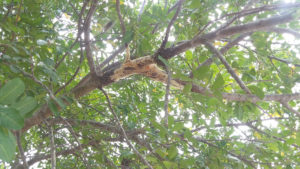
- Hive at eye level in a small tree. Click on picture for a larger view.
-
- Click on picture for a larger view.
-
- Click on picture for a larger view.
-

- Click on picture for a larger view.
-
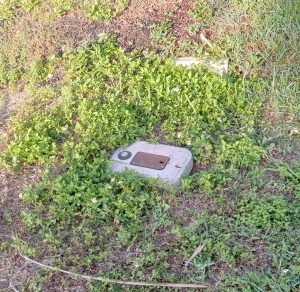
- Click on picture for larger view.
-
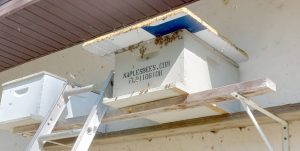
- Swarm boxes high up on the side wall still attract swarms, this one moving in yesterday evening. Click on picture for a larger view.
-
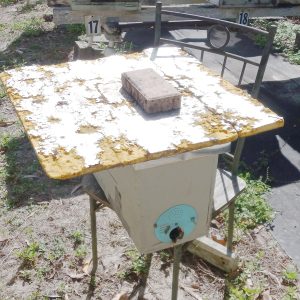
- A nice swarm on the ground went in to a nuc box yesterday. Today it was lifted off the ground and placed on a small chair.
-
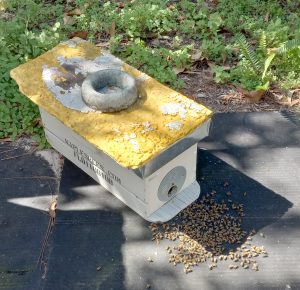
- A small swarm and its queen were spotted on the ground this morning. The queen was caged and the nuc placed near the bees and within a few minutes they all marched in. Click on picture for a larger view.
-
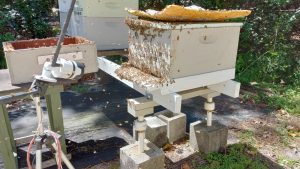
- Back in the apiary, the bees are set up on a stand and opened up. Normally, the bees will settle down in a few hours. Hopefully they will decide to stay.
-
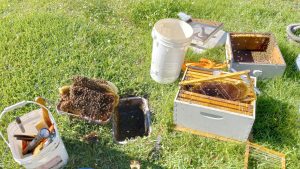
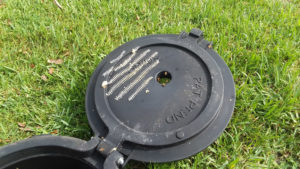
- Opening of the water meter to expose the comb and bees. Equipment ready to remove the comb and mount in brood box frames.
-
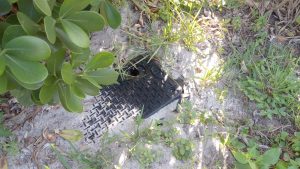
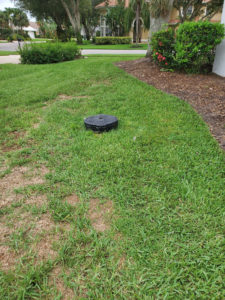
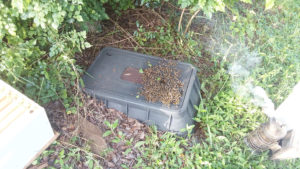
- Water meter hive needing live removal. Click on picture for a larger view.
-
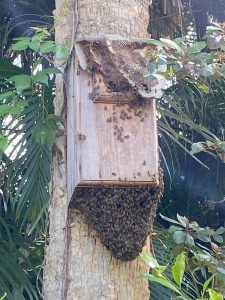
- Click on picture for a larger view.
-
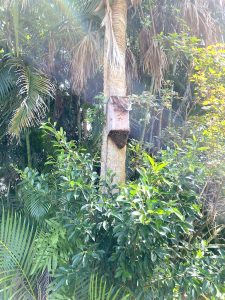
- Click on picture for a larger view.
-
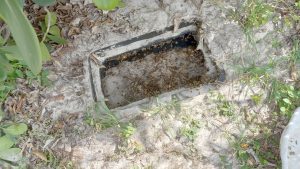
- The water meter box after comb clean up and most of the bees vacuumed up.
-
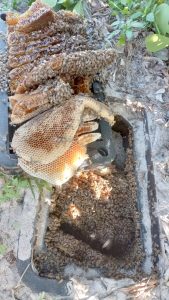
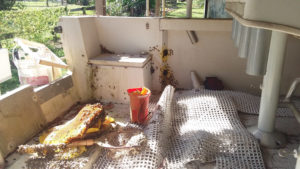
- Another view of the bottom of the top and also showing the thousands of bees on comb broken off and laying in the box.
-
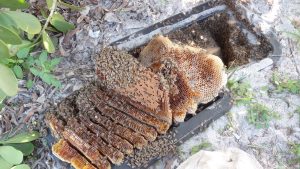
- Once the top was pried off, wall to wall slabs of comb were exposed. Click on picture for a larger view.
-
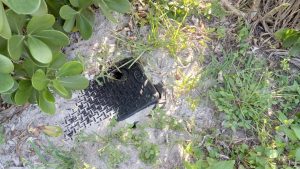
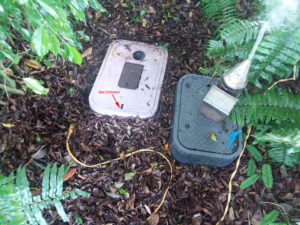
- Super size water meter box partially covered in sugar sand. Click on picture for a larger view.
-
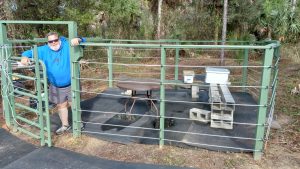
- Click on picture for a larger view.
-
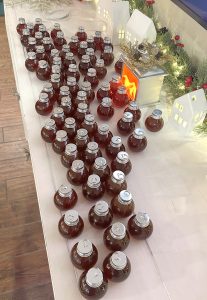
- Christmas tree honey bottle ornaments. Click on picture for a larger view.
-
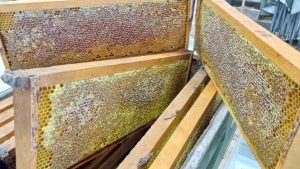
- A variety of honey color showing from the different flora nectar the bees collected. Click on picture for a larger view.
-
- Click on picture for a larger view.
-
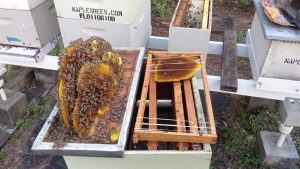
- Moving the contents of a 5 frame nuc in to a 10 frame brood box. Click on picture for a larger view.
-
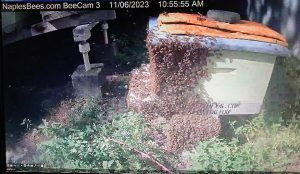
- Swarm moved from a stand leg to a box put near by. Click on picture for a larger view.
-
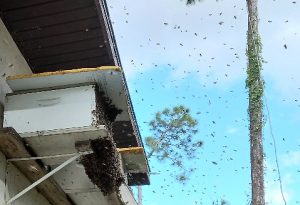
- Swarm left the box near the stand leg and landed on a brood box trap high on the garage side wall. Click on picture for a larger view.
-
- Click on picture for a larger view.
-
- Click on picture for a larger view.
-
- Click on picture for a larger view.
-
- Click on picture for a larger view.
-
- Click on picture for a larger view.
-
- Click on picture for a larger view.
-
- Click on picture for a larger view.
-
- Click on picture for a larger view.
-
- Click on picture for a larger view.
-
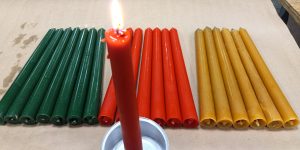
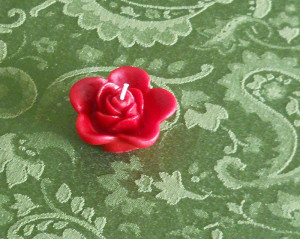
- Candles made from some of the beeswax. Example of pillar candles made from the natural colored wax and the dyed red color wax. Click on picture for a larger view.
-
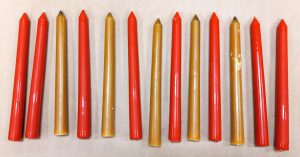
- Candles made from some of the beeswax. Example of pillar candles made from the natural colored wax and the dyed red color wax.
-
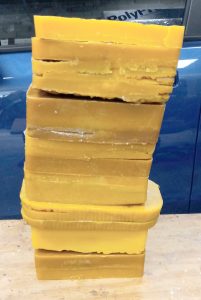
- Wax from the 264 harvested honey comb frames that were processed via a solar wax melting box……… 29.6 pounds.
-
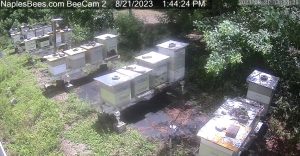
- NaplesBees apiary, August, 2023
-
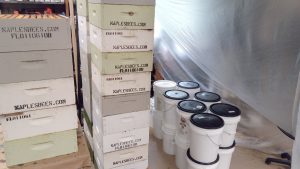
- Buckets of honey harvested from the supers. Click on picture for a larger view.
-
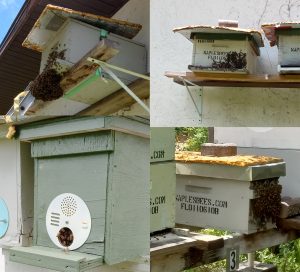
- Four swarm traps around the apiary are busy with bees moving in. Click on picture for a larger view.
-
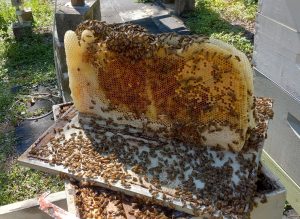
- These bees built slabs of comb from the top board. They were cut out and mounted on frames to fill out the brood box with 10 frames. Click on picture for a larger view.
-
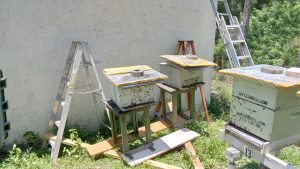
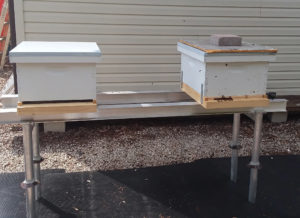
- Second hive moves from a temporary ladder shelf (not shown) to tables.
-
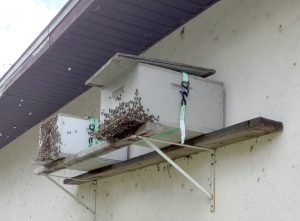
- Swarm traps high on the garage side wall. Click on picture for a larger view.
-
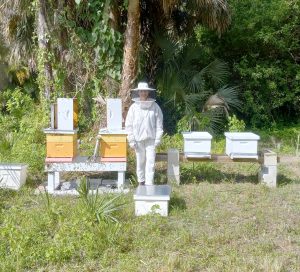
- Hives moved to a new apiary. Click on picture for a larger view.
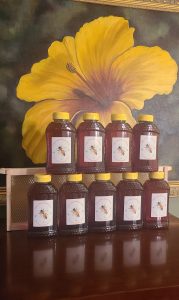
-
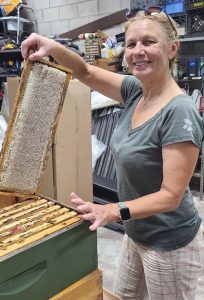
- Full capped honey super frames about to be uncapped and spun to extract the honey. Click on picture for a larger view.
-
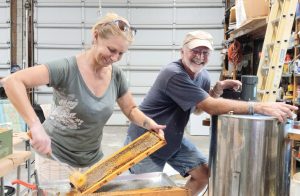
- The joy of backyard beekeeping as a dynamic duo run the extraction line.
-
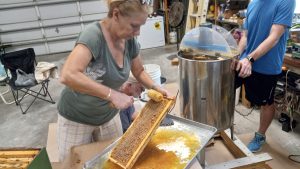
- Uncapping the frames. Click on picture for a larger view.
-
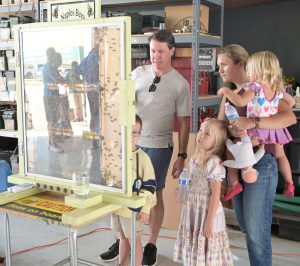
- Picture courtesy CMCD. Click on picture for a larger view.
-
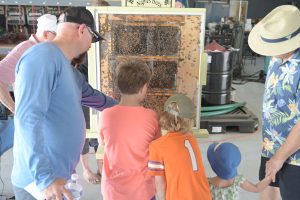
- Picture courtesy of CMCD. Click on picture for a larger view.
-
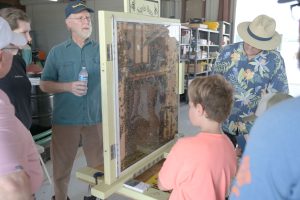
- Photograph courtesy CMCD. Click on picture for a larger view.
-
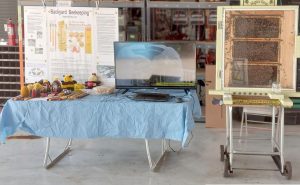
- Click on picture for a larger view.
-
- Click on picture for a larger view.
-
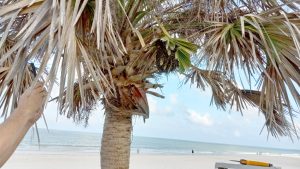
- After trimming the frond, the hive was dropped in to an empty brood box. Click on picture for a larger view.
-
- Click on picture for a larger view.
-
- Click on picture for a larger view.
-
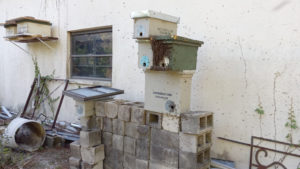
- STEP 4…….. the swarm settles around the corner on a brood size nuc box.
-
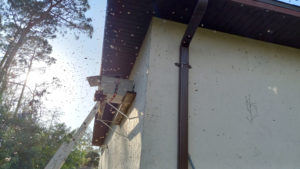
- STEP 3…….. the swarm moves to a brood size nuc box around the corner of the garage.
-
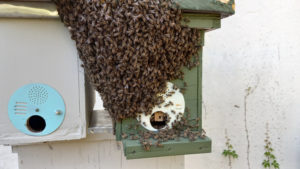
- STEP 2……. The ball of bees consolidates on one nuc, but not going inside. Click on picture for a larger view.
-
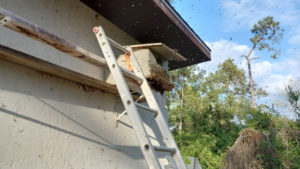
- STEP 1…….. Swarm moves to nuc boxes. Click on picture for a larger view
-
- Click on picture for larger view.
-
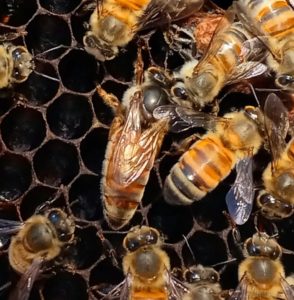
- Beautiful queen going about business. Click on picture for a larger view.
-
- Click on picture for a larger view.
-
- Click on picture for a larger view.
-
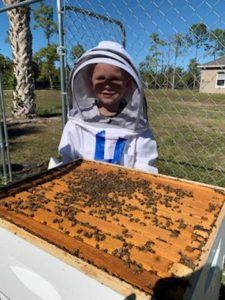
- Click on picture for a larger view.
-
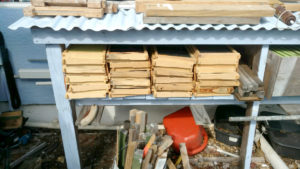
- Brood box frames. Click on picture for a larger view.
-
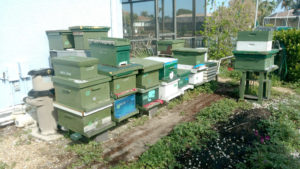
- Hive boxes. Click on picture for a larger view.
-
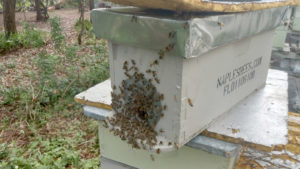
- Click on picture for a larger view.
-
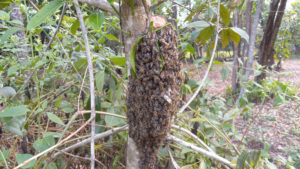
- Click on picture for a larger view.
-
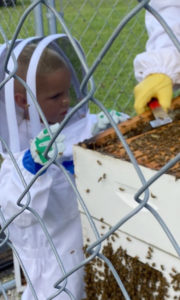
- Click on picture for a larger view.
-
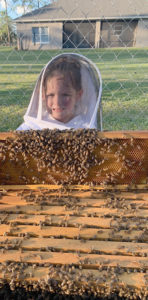
- Click on picture for a larger view.
-
- Click on picture for a larger view.
-
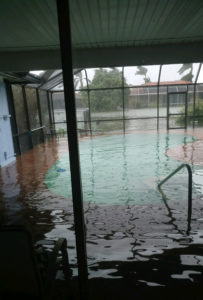
- Hurricane Ian flooding of Marco Island BB&G apiary. Click on picture for larger view.
-
- Click on picture for a larger view.
-
- Click on picture for a larger view.
-
- Click on picture for a larger view.
-
- Click on picture for a larger view.
-
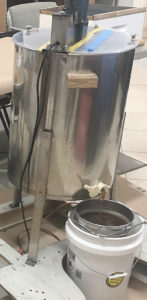
- Motorized extractor. Click picture for a larger view.
-
- Click on picture for a larger view.
-
- Click on picture for a larger view.
-
- Click on picture for a larger view.
-
- Click on picture for a larger view.
-
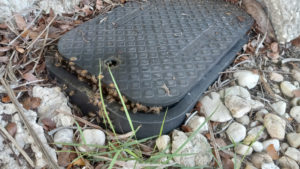
- Click on picture for a larger view.
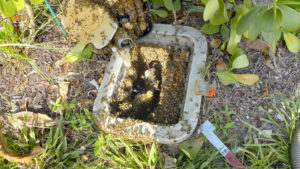
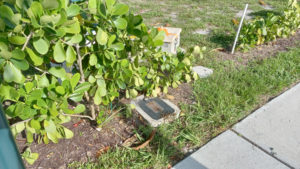
-
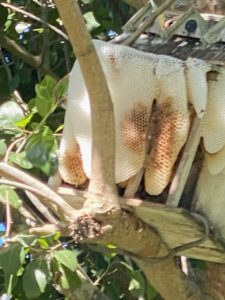
- Click on picture for a larger view.
-
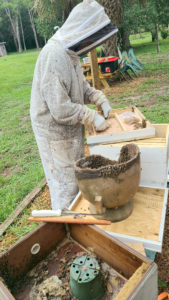
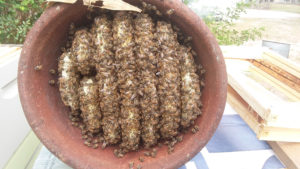
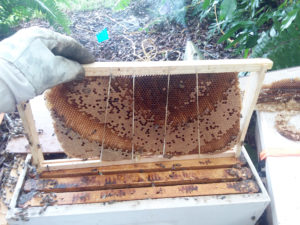
- Removing the comb from the pot and placing in frames. Click on picture for a larger view.
-
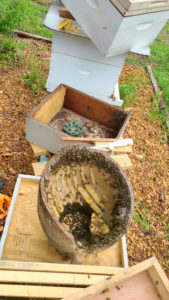
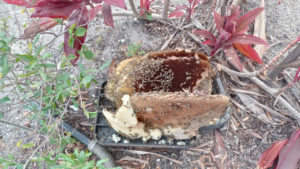
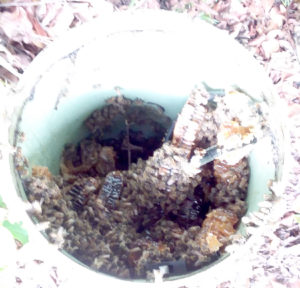
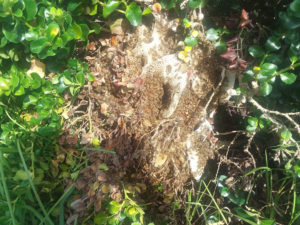
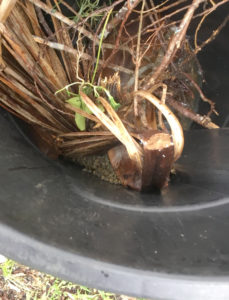
- The clay pot that had a broken out bottom after the comb was cut out for mounting in the hive box frames. Click on picture for a larger view.
-
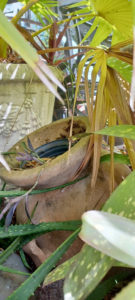
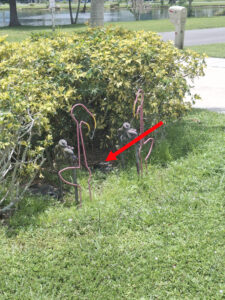
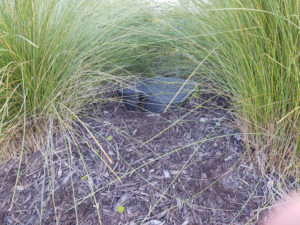
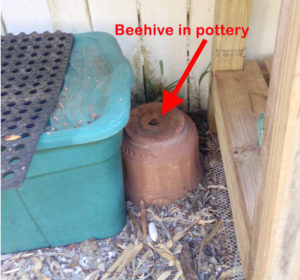
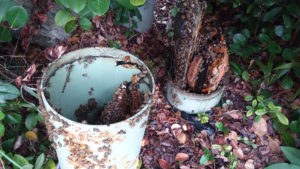
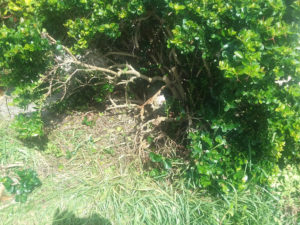
- Clay pot in a backyard hedge. Click on picture for a larger view.
-
- Click on picture for a larger view.
-
- Click on picture for a larger view.
-
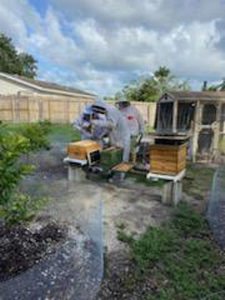
- A second hive was added to the apiary. Click on picture for a larger view.
-
- Click on picture for a larger view.
-
- Click on picture for a larger view.
-
- Click on picture for a larger view.
-
- Click on picture for a larger view.
-
- Click on picture for a larger view.
-
- Click on picture for a lager view.
-
- Click on picture for a larger view.
-
- Click on picture for a larger view.
-
- Click on picture for a larger view.
-
- Click on picture for a larger view.
-
- Click on picture for a larger view.
-
- Click on picture for a larger view.
-
- Click on picture for a larger view.
-
- Click on picture for a larger view.
-
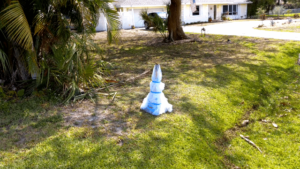
- Traffic cone bees moved in to an apiary brood box.
-
- Click on picture for a larger view.
-
- Click on picture for a larger view.
-
- Click on picture for a larger view.
-
- Click on picture for a larger view.
-
- Click on picture for a larger view.
-
- Click on picture for a larger view.
-
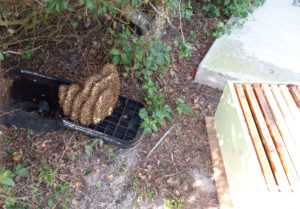
- Click on picture for a larger view.
-
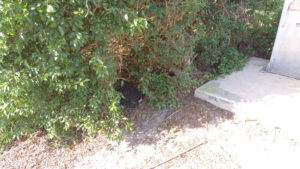
- Click on picture for a larger view.
-
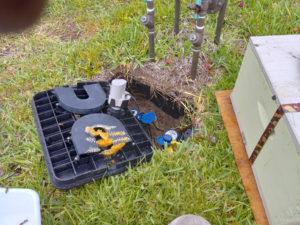
- Click on picture for a larger view.
-
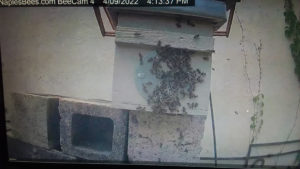
- Large swarm in nuc with wheel closed to ventilation only. Click on picture for a larger view.
-
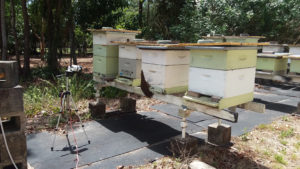
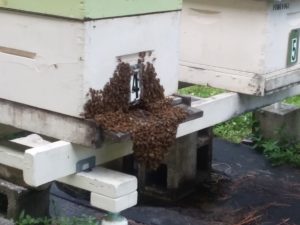
- Small swarm landed on the back of a hive box. Click on picture for a larger view.
-
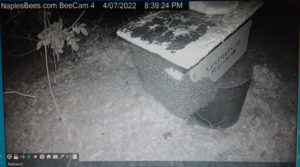
- Large swarm landed on outside of nuc box. Click on picture for a larger view.
-
- Click on picture for a larger view.
-
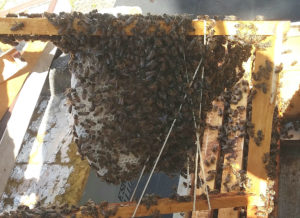
- Click on picture for a larger view. This large piece of comb was built by the bees in just 48 hours after beevaced.
-
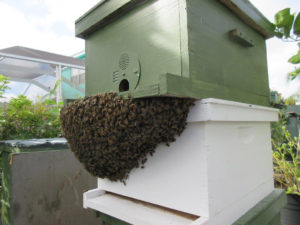
- Click on picture for a larger view of this swarm.
-
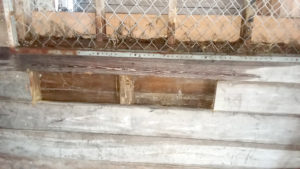
- Click on picture for larger view.
-
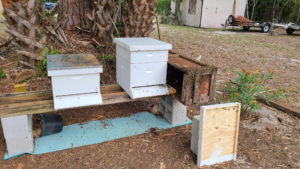
- The old storage box is temporally set next to the hive box to allow the remaining bees to find their new home. Click on picture for a larger view.
-
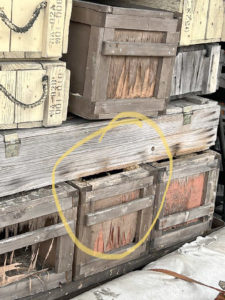
- Close up of old storage boxes which one of them contained a large hive. A close look of one of them shows bees at the top front hole. Click on picture for a larger view.
-
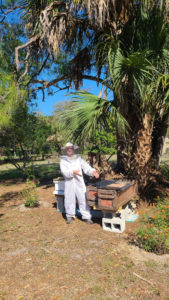
- Old storage boxes with a very large hive moved in to place on an apiary stand, awaiting opening and bee removal in to a brood box. Click on picture for a larger view.
-
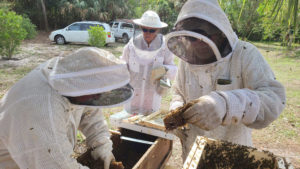
- Team effort to remove the comb, cut to size, and rubber band it in to frames. Click on picture for a larger view.
-
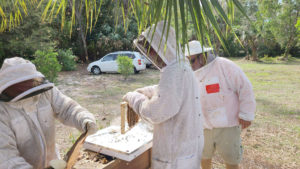
- Team effort to remove comb from the old box. Click on picture for a larger view.
-
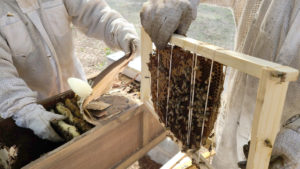
- Removing slabs of comb and mounting them in frames. Click on picture for a larger view.
-
- Click on picture for a larger view.
-
- Click on picture for a larger view.
-
- Click on picture for larger view
-
- Click on picture for larger view
-
- Click on picture for a larger view.
-
- Click on picture for a larger view.
-
- Click on picture for a larger view.
-
- Click on picture for a larger view.
-
- Click on picture for a larger view.
-
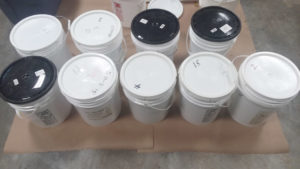
- 490 pounds of extracted honey in nine 5 gallon food grade buckets. Click on picture for a larger view.
-
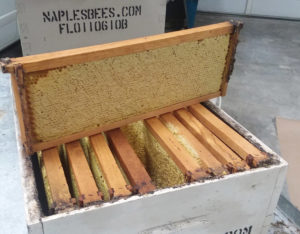
- Frames of capped honey in the supers. Click on picture for a larger view.
-
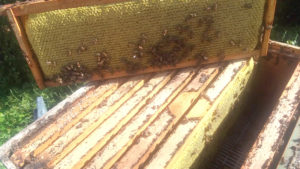
- Frames of capped honey in the supers. Click on picture for a larger view.
-
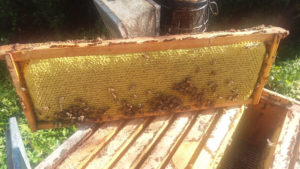
- Frames of capped honey in the supers. Click on picture for a larger view.
-
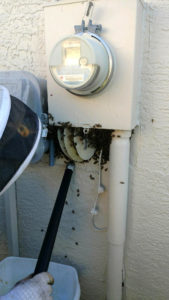
- Click on picture for larger view.
-
- Click on picture for a larger view.
-
- Click on picture for a larger view.
-
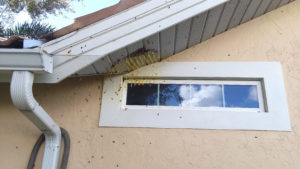
- After removal. Click on picture for a larger view.
-
- Click on picture for a larger view.
-
- Click on picture for a larger view.
-
- Click on picture for a larger view.
-
- Click on picture for a larger view.
-
- Click on picture for a larger view.
-
- Click on picture for a larger view.
-
- Click on picture for a larger view.
-
- Click on picture for a larger view.
-
- Click on picture for a larger view.
-
- Click on picture for a larger view.
-
- Click on picture for a larger view.
-
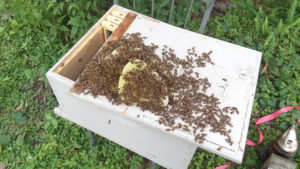
- After the bees went in to the box, a few days later it was opened for a check and they had already built some comb from the top. This was removed and mounted in frames. Click on picture for a larger view.
-
- Click on picture for a larger view.
-
- Click on picture for a larger view.
-
- Click on picture for a larger view.
-
- Click on picture for a larger view.
-
- Click on picture for a larger view.
-
- Click on picture for a larger view.
-
- Click on picture for a larger view.
-
- Click on picture for a larger view.
-
- Click on picture for a larger view.
-
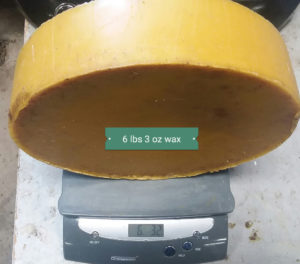
- 6+ pounds of wax collected from this honey harvest.
-
- Click on picture for a larger view.
-
- Click on picture for a larger view.
-
- Click on picture for a larger view.
-
- Click on picture for a larger view.
-
- Click on picture for a larger view.
-
- Click on picture for a larger view.
-
- Click on picture for a larger view.
-
- Click on picture for a larger view.
-
- Click on picture for a larger view.
-
- Click on picture for a larger view.
-
- Click on picture for a larger view.
-
- Click on picture for a larger view.
-
- Click on picture for a larger view.
-
- Click on picture for a larger view.
-
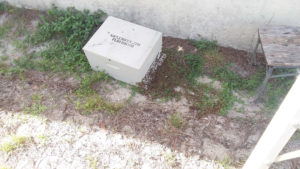
- Click on picture for a larger view.
-
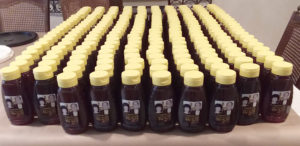
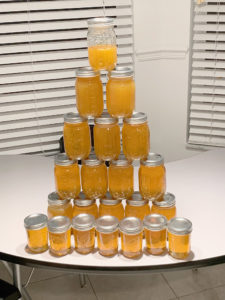
- 216 one pound bottles of medium dark amber color NaplesBees honey harvest
-
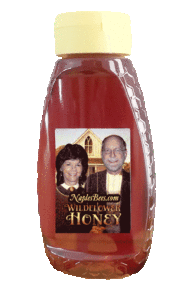
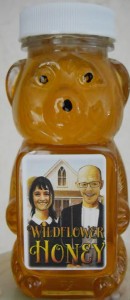
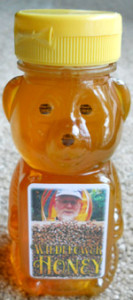
- One pound NaplesBees honey bottle
-
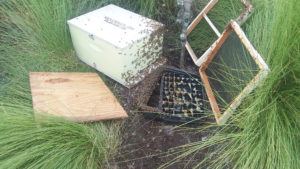
- After all the cut out comb was mounted, the box was positioned so the bees could move in. Click on picture for a larger view.
-
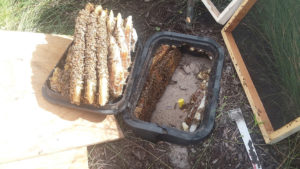
- Comb to be removed. Click on picture for a larger view.
-
- Click on picture for a larger view.
-
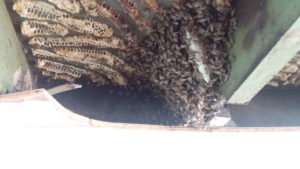
- Two weeks later we had to go back and remove this small comb and bees that remained trying to build a queen cup.
-
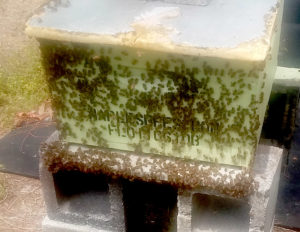
- Hive after move in to the NaplesBees apiary. Click on picture for a larger view.
-
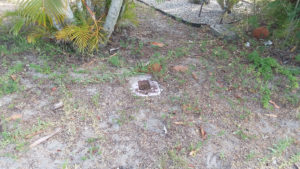
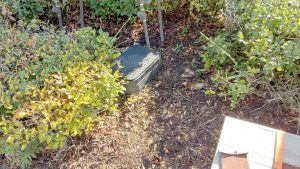
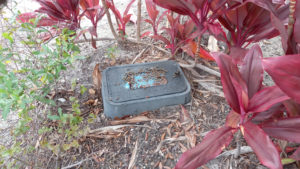
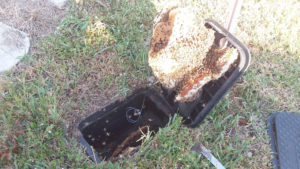
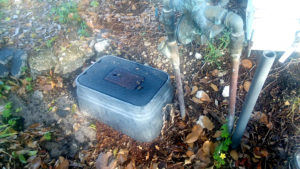
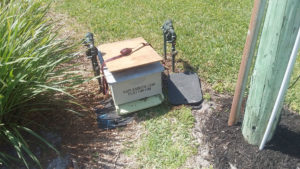
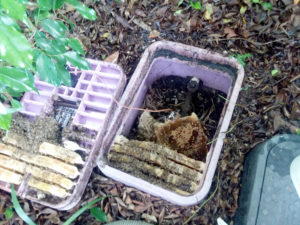
- Water meter. Click on picture for a larger view.
-
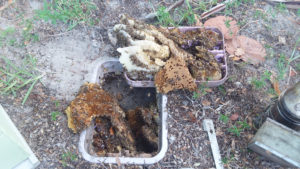
- Lifting the top broke some of the comb. Click on picture for a larger view.
-
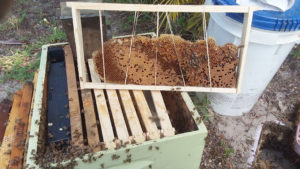
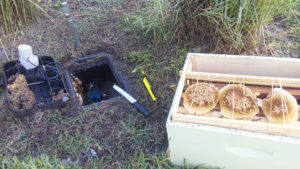
- Almost all of the comb was rubber band mounted in frames. Click on picture for a larger view.
-
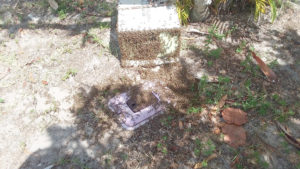
- All done and waiting for them to move in. Click on picture for larger view.
-
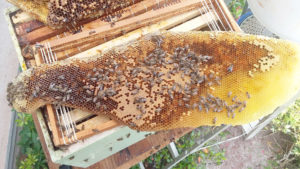
- The size of some of the comb pieces was very large. Click on the picture for a larger view.
-
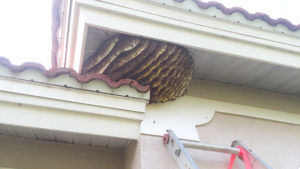
- After some of the bees were vacuumed off, the comb extent could be seen. Click on picture for a larger view.
-
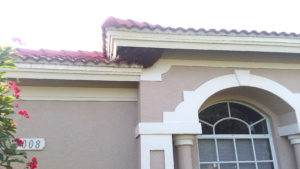
- Click on picture for a larger view.
-
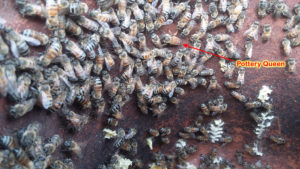
- Click on picture for a larger view
-
- Click on picture for larger view
-
- Click on picture for a larger view.
-
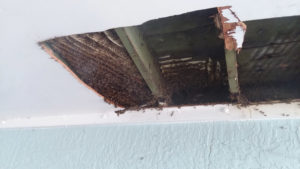
- Second section cut away – Click on picture for a larger view.
-
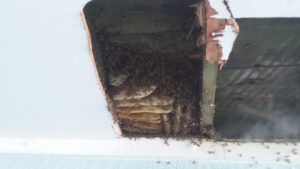
- First section cut away – Click on picture for a larger view.
-
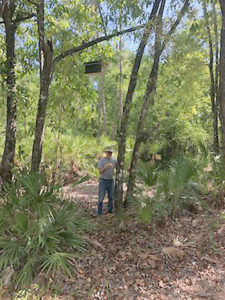
- Click on picture for larger view.
-
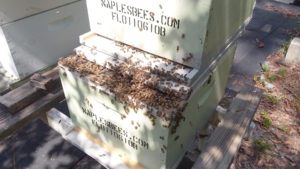
- Click on picture for a larger view.
-
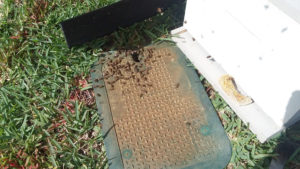
- Click on picture for a larger view.
-
- Click on picture for a larger view.
-
- Click on picture for a larger view.
-
- Click on picture for a larger view.
-
- Click on picture for a larger view.
-
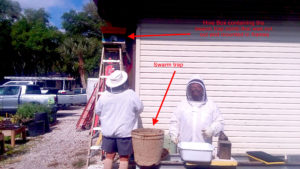
- Click on picture for a larger view
-
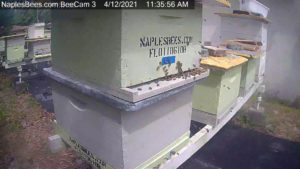
- Click on picture for a larger view.
-
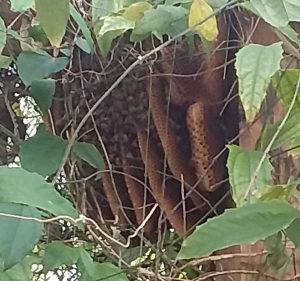
- Before — close up. Click on picture for a larger view.
-
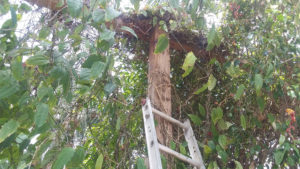
- After Removal — click on picture for larger view.
-
- Before Removal — click on picture for a larger view
-
- Click on picture for a larger view.
-
- After removal. Click on picture for a larger view.
-
- Click on picture for a larger view.
-
- Click on picture for a larger view.
-
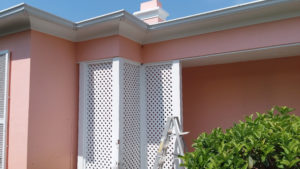
- AFTER: Click on picture for a larger view.
-
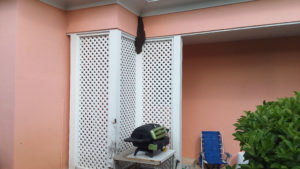
- BEFORE: Click on picture for a larger view.
-
- Click on picture for a larger view.
-
- Click on picture for a larger view.
-
- Click on picture for a larger view.
-
- Click on picture for a larger view.
-
- Click on picture for a larger view.
-
- Click on picture for a larger view.
-
- Click on picture for a larger view.
-
- Click on picture for a larger view.
-
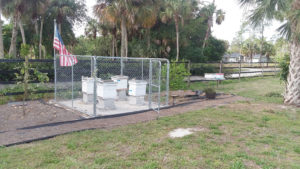
- What a difference a year makes with the apiary going in to 2021 with 6 hives and lots of supers. Click on picture for a larger view.
-
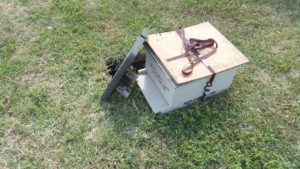
- Click on picture for a larger view.
-
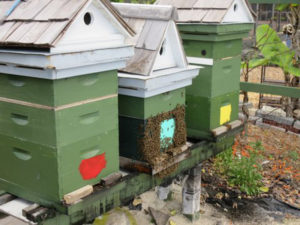
- Click on picture for a larger view.
-
- Click on picture for a larger view.
-
- Click on picture for a larger view.
-
- Click on picture for a larger view.
-
- Click on picture for a larger view.
-
- Click on picture for a larger view.
-
- click on picture for a larger view.
-
- Click on picture for a larger view.
-
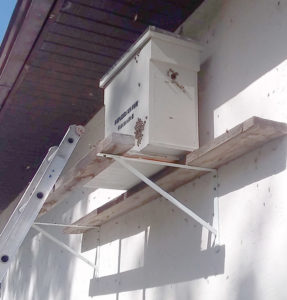
- Click on picture for a larger view.
-
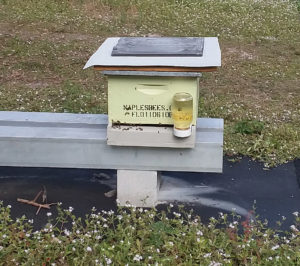
- Click on picture for larger view.
-
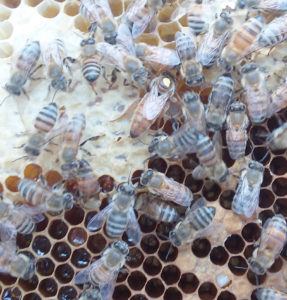
- Click on picture for a larger view.
-
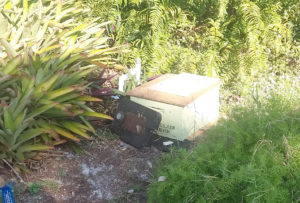
- Click on picture for larger view.
-
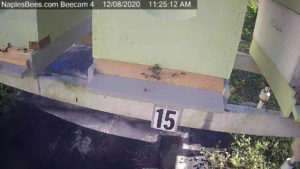
- Click on picture for a larger view
-
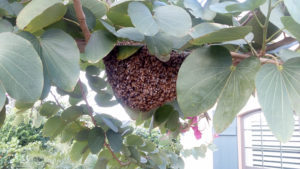
- Click on picture for larger view.
-
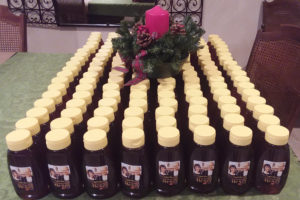
- Click on picture for a larger view.
-
- Click on picture for a larger view.
-
- Click on the picture for a larger view.
-
- Click on picture for a larger view.
-
- Click on picture for a larger view.
-
- Click on picture for a larger view
-
- Click on picture for a larger view.
-
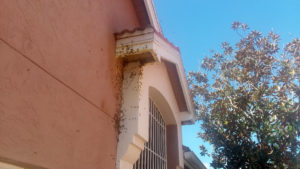
- After all the bees and comb have been removed. Click on picture for a larger view.
-
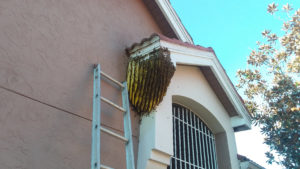
- Click on picture for larger view.
-
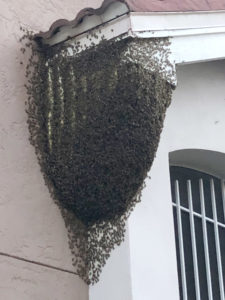
- Click on picture for a larger view.
-
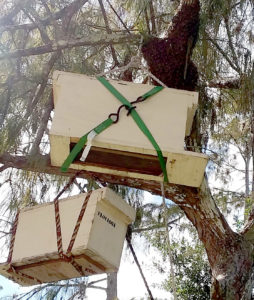
- Shown is a couple nuc boxes hoisted by rope up into the branches. With a little luck a swarm will usually move in to a box. Click on picture for a larger view.
-
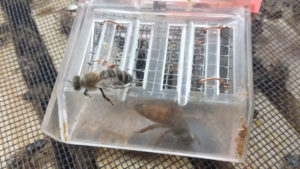
- Too fat to fly far!! Click on picture for larger view.
-
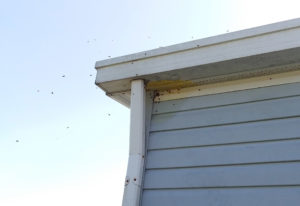
- After the removal of all the comb and bees. Click on picture for a larger view.
-
- Click on picture for a larger view.
-
- Click on picture for a larger view.
-
- Click on picture for larger view.
-
- Click on picture for a larger view.
-
- Click on picture for larger view.
-
- Click on picture for a larger view.
-
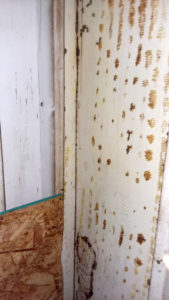
- Empty wall after all the comb and bees were removed. Click on picture for a larger view.
-
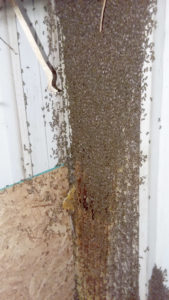
- Click on picture for a larger view.
-
- Click on picture for larger view.
-
- Click on picture for a larger view.
-
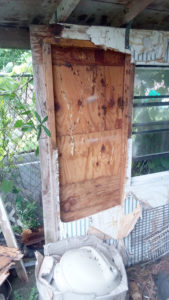
- The wall after all the comb and bees removed. Click on picture for a larger view.
-
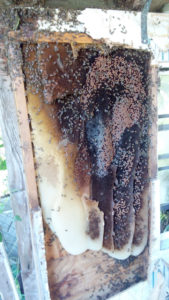
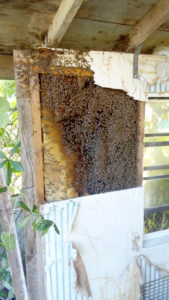
- A half dozen large pieces of comb were removed and the beevac was used. Click on picture for larger view
-

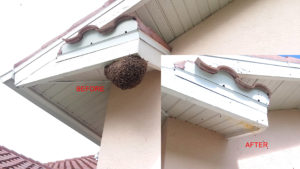
- Hive located on the overhang at a house in River Wood, Naples. Click on picture for a larger view.
-
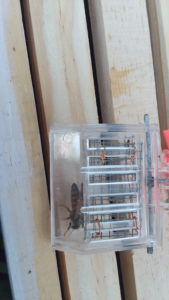
- Beautiful queen captured. Click on picture for a larger view.
-
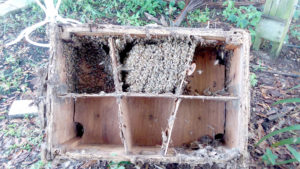
- Comb shown once the structure was tilted on its side. Click on picture for a larger view.
-
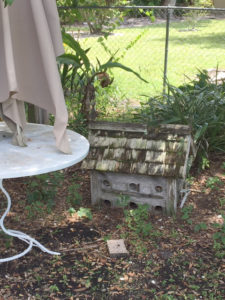
- Dog house structure that bees made a home in. Click on picture for a larger view.
-
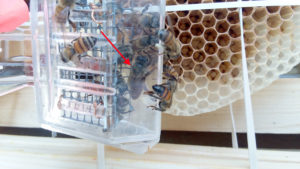
- Captured queen. Click on picture for larger view.
-
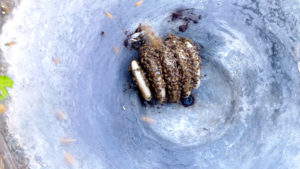
- Small hive with 5 pieces of comb that were removed. Click on picture for larger view.
-
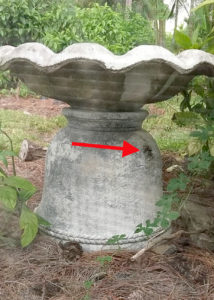
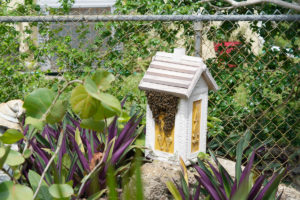
- Birdbath with a small hole on the side of the base. Click on picture for a larger view.
-
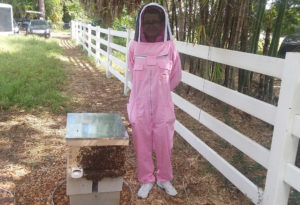
- The hive was placed in a new beekeeper’s Golden Gate estates apiary. Click on picture for a larger view.
-
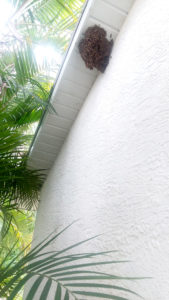
- Click on picture for a larger view.
-
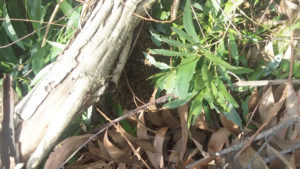
- Click on the picture for a larger view.
-
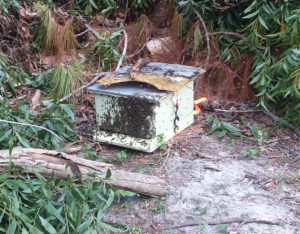
- Click on picture for larger view
-
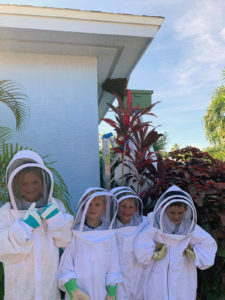
- The special crew showed up to help out.
-
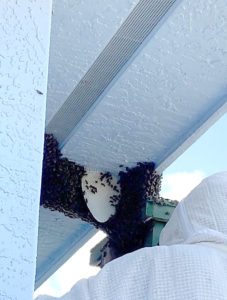
- Comb was being built by the bees. Click on the picture for a larger view.
-
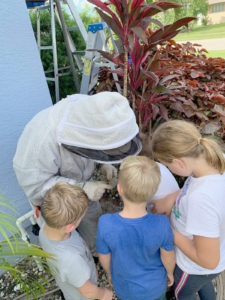
- Toward the end of the vacuuming process, the queen was spotted and caged.
-
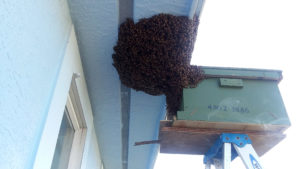
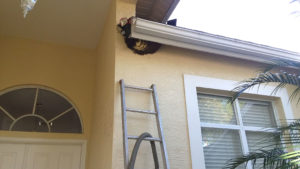
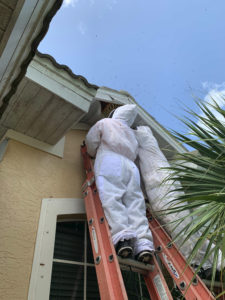
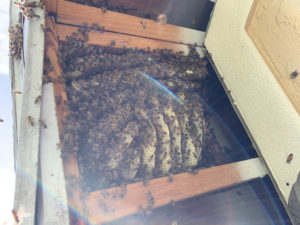
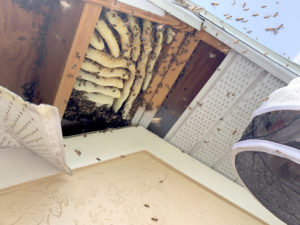
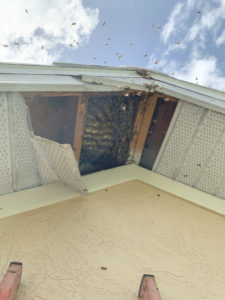
- Large hive located on the roof overhang. Click on the picture for a larger view.
-
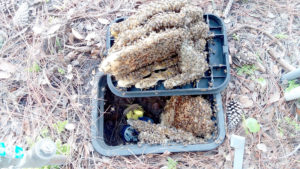
- Click on picture for larger view.
-
- Click on picture for a larger view.
-
- Click on picture for a larger view.
-
- Click on picture for a larger view.
-
- Click on picture for a larger view.
-
- Click on picture for larger view.
-
- Click on picture for larger view.
-
- Click on picture for a larger view.
-
- Click on picture for a larger view.
-
- Click on picture for a larger view.
-
- Click on picture for a larger view.
-
- Click on picture for a larger view.
-
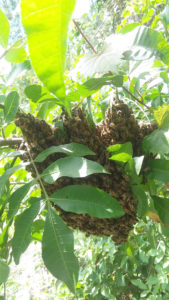
- click on picture for larger view.
-
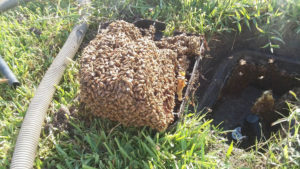
- click on picture for larger view.
-
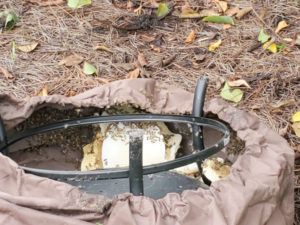
- Click on picture for larger view.
-
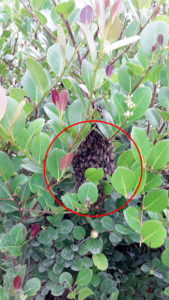
- Click on picture for a larger view.
-
- Click on picture for a larger view.
-
- Click on picture for a larger view.
-
- Click on picture for a larger view.
-
- Click on picture for a larger view.
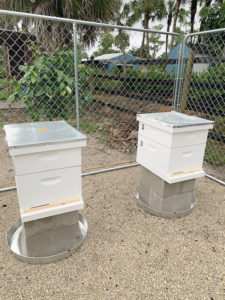
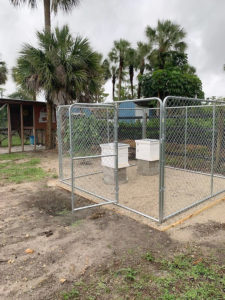
-
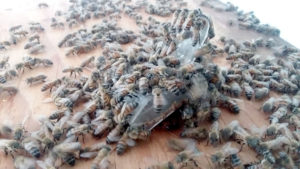
- Queen caged. She was on the very last comb piece removed!
-
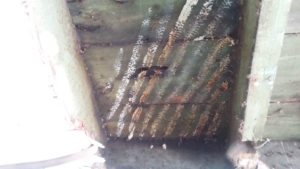
- All the comb removed.
-
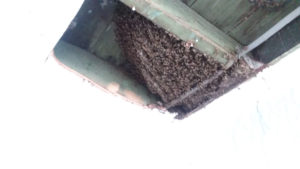
- Hive exposed after more ceiling removal. Click on the picture for a larger view.
-
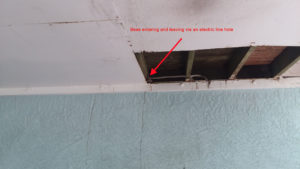
- Ceiling cutout exposing the entrance. Click on picture for a larger view.
-
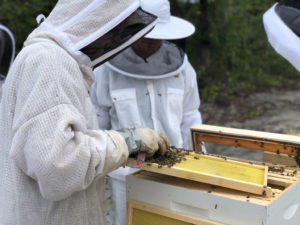
- bees and queen getting set up.
-
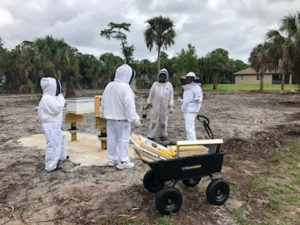
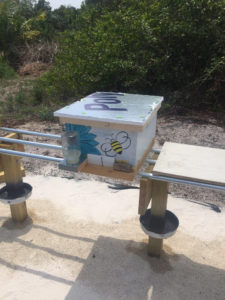
- Getting ready to install a new hive of bees and release the queen.
-
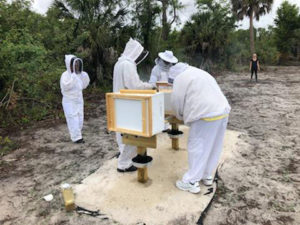
- Brand new apiary setup in Golden Gate, Naples, FL
-
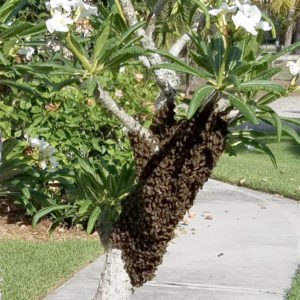
- Click on for larger view.
-
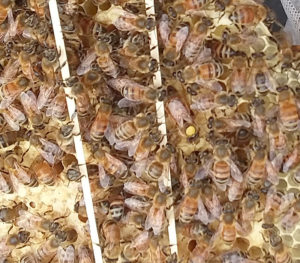
- Click on picture for larger view.
-
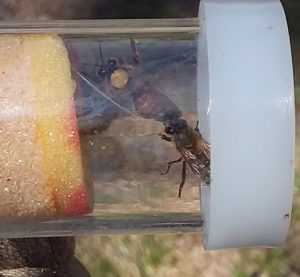
- Click on picture for larger view.
-
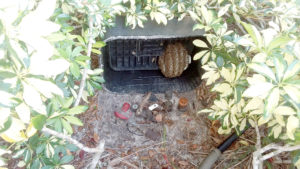
- Click on picture for a larger view.
-
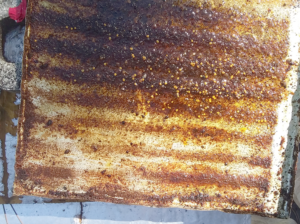
- Click on picture for larger view.
-
- click on picture for a larger view
-
- click on picture for a larger view
-
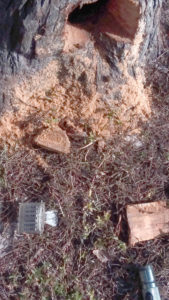
- Cypress hole opening widened slightly to allow the comb removal.
-
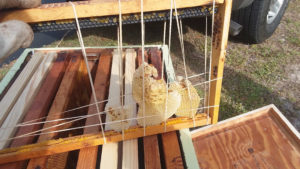
- Being a very young hive, there was only a few small comb pieces built. Click on picture for a larger view.
-
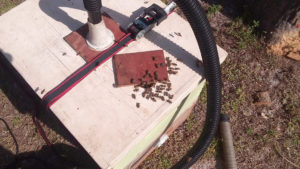
- Bee Vac used to get as many bees as possible. Possible queen pheromones may be attracting bees around the beevac vacuum control opening.
-
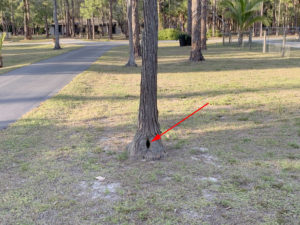
- Cypress tree with small hive.
-
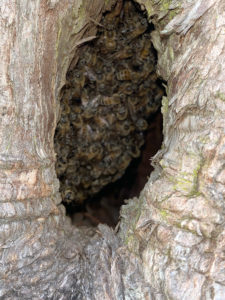
- Small hive as viewed from the cypress hole opening. Click on picture for larger view.
-
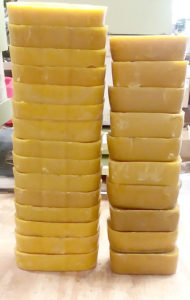
- 25 pounds of one pound blocks of beeswax recovered from a few recent honey harvests.
-
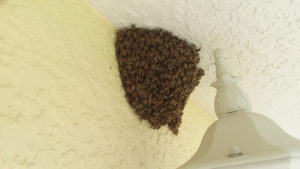
- click on picture for a larger view
-
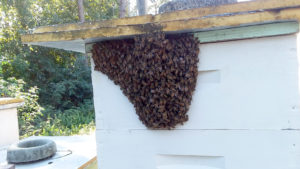
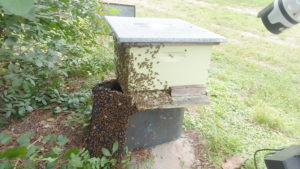
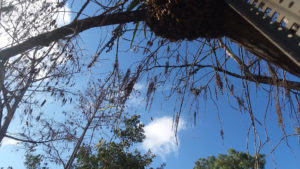
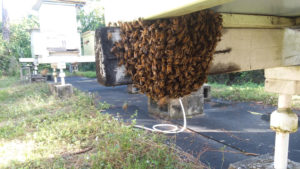
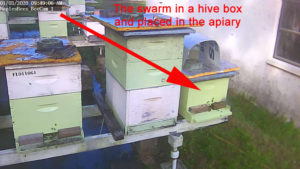
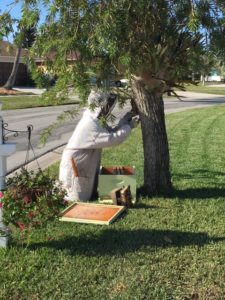
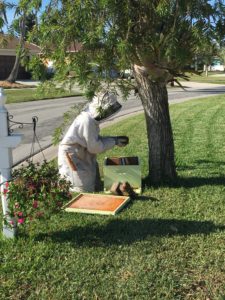
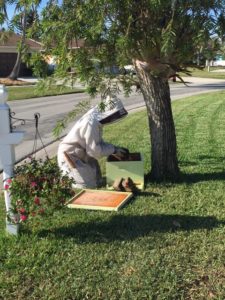
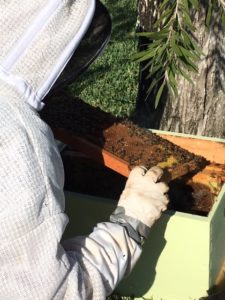
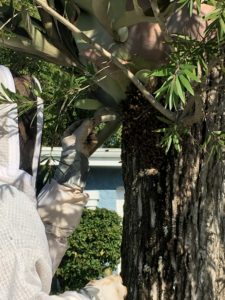
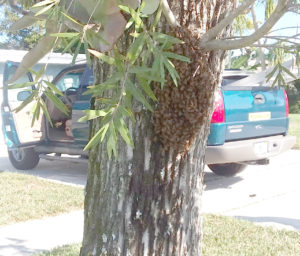
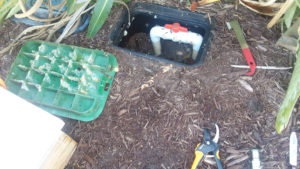
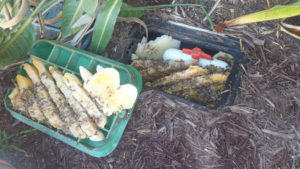
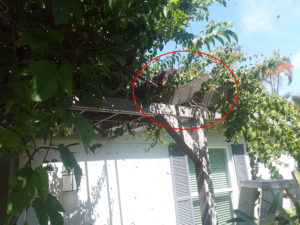
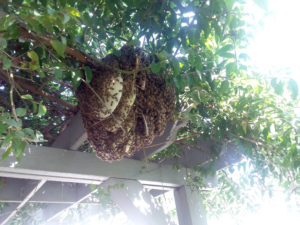
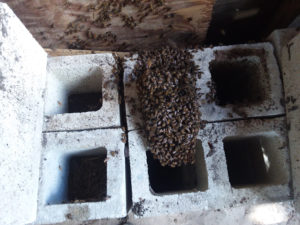
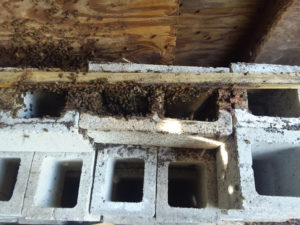
- This afternoon I found this hanging on the back of an apiary hive box.
-
- …….click on for larger view
-
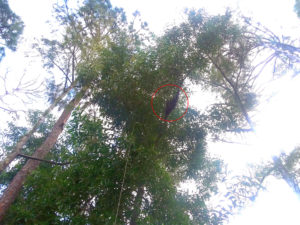
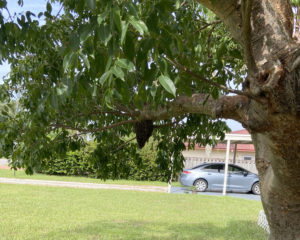
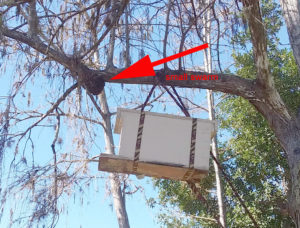
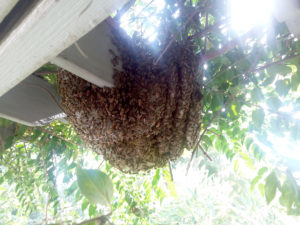
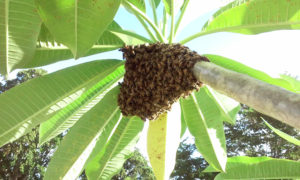
- Hive on branch about 30 feet up in a tree.
-
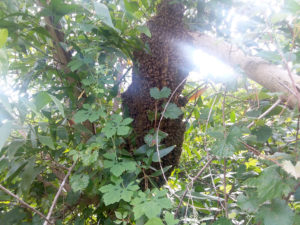
- Good size hive in tree behind our apiary.
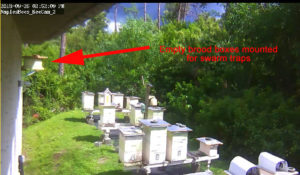
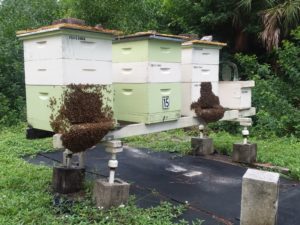






-

- Swarm put in the apiary and happily feeding on the sugar syrup.

-

- Bees marching in to the nuc and fanning at the entrance.
-

- Nuc box on a ladder up near the swarm location.
-

- Swarm on a cypress tree branch.
-

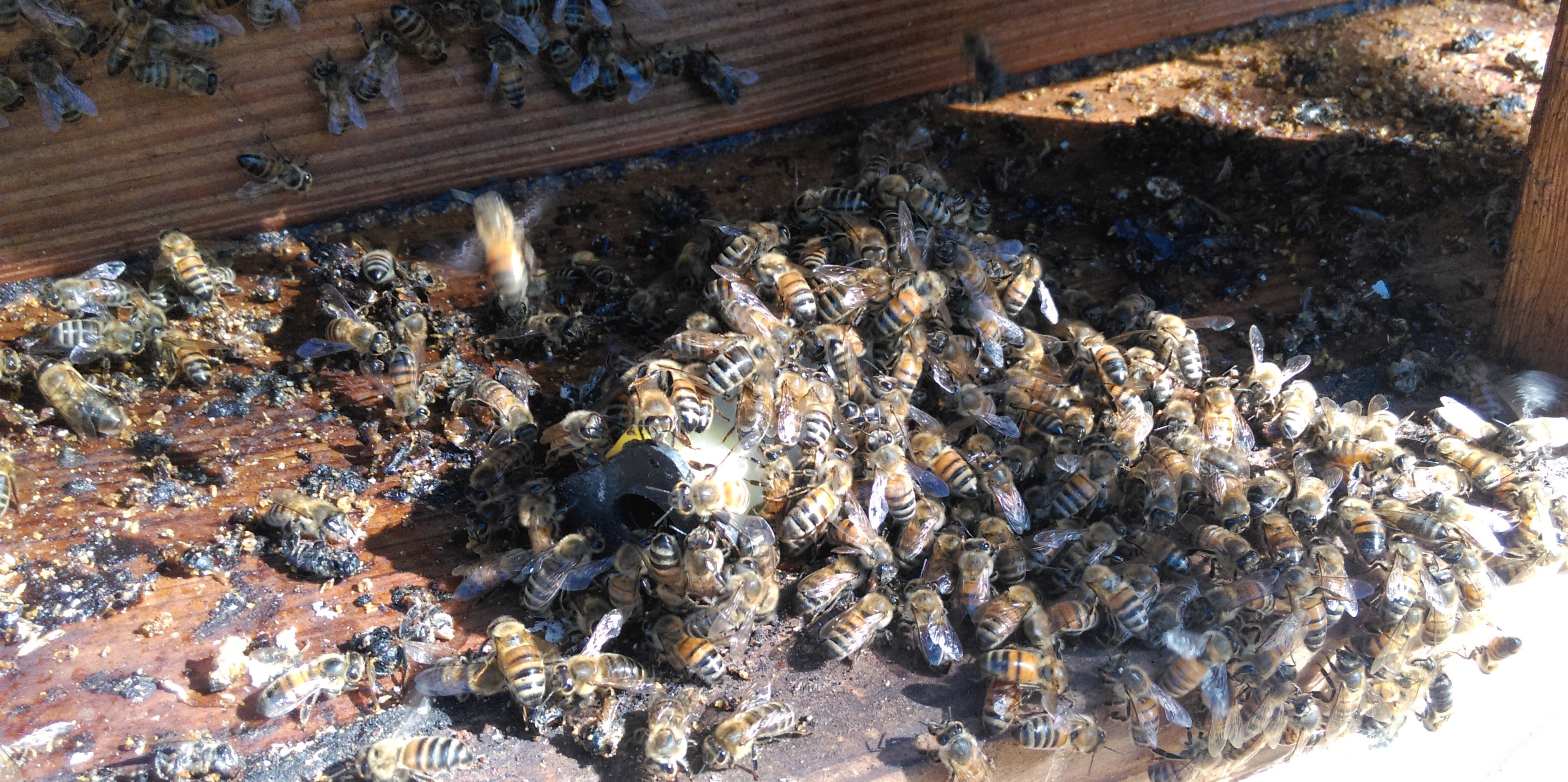
- Captured queen being surrounded by bees after one minute
-

- Captured queen being surrounded by bees after 3 minutes.
-
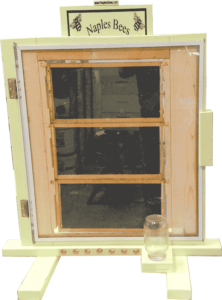
- Observation hive with hinged swing open front glass. Click on the picture
-

- Observation hive with hinged swing open front glass. Click on picture for a larger view.




-

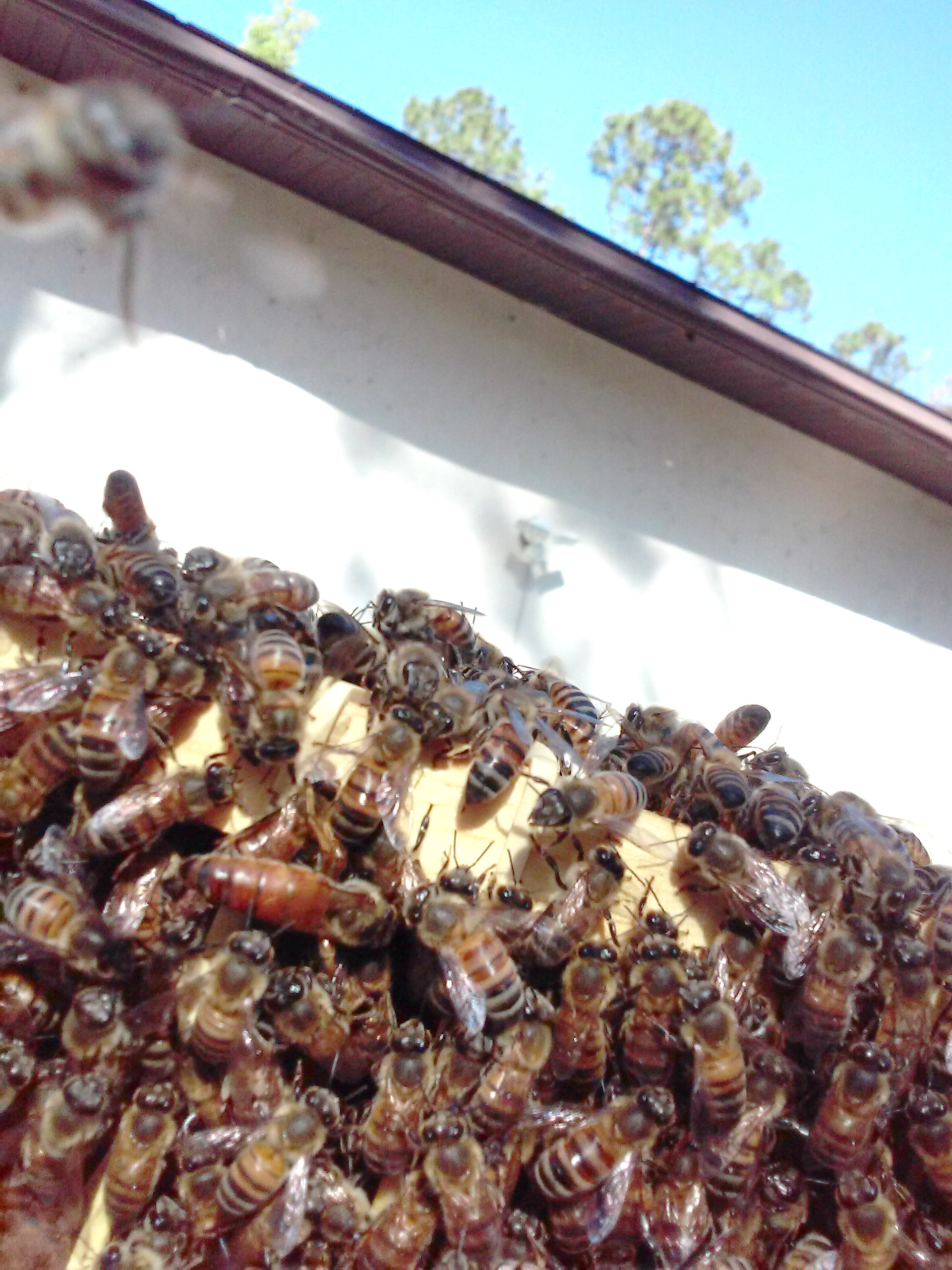
- View after all the comb removed and most of the bees vacuumed into the brood box..
-

- Estimate bee number was probably around 20,000 bees.
-

- View of the complete hive after outside paneling removed. The hive comb extended from the floor to the roof.
-

- Initial removal of one slat to see where the bees are under the outside wall.













-

- The original hive location
-

- Hive after about 50% of the comb has been removed
-

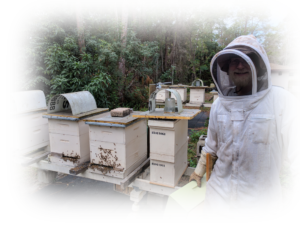
- The hive as located in our apiary.




-

- The bees in their new home in our apiary.

-

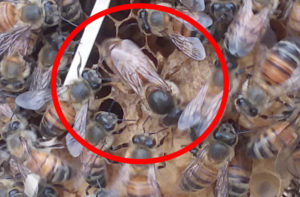
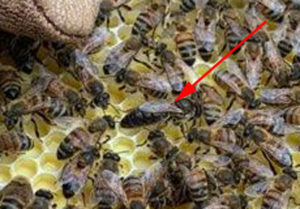
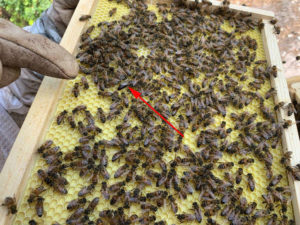
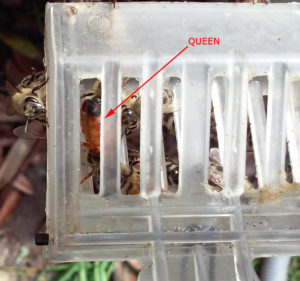
- Red arrow points to the queen captured.
-

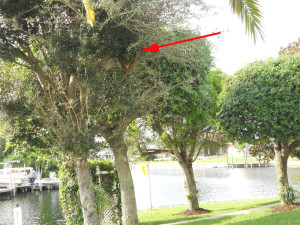
- Hive in tree.
-

- Hive removed
-
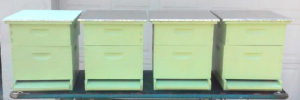
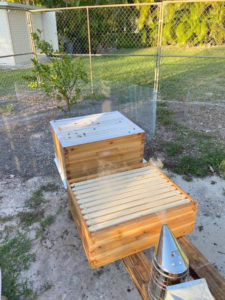
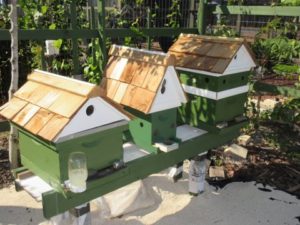
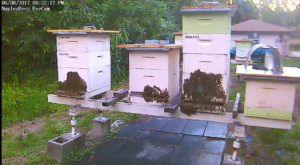
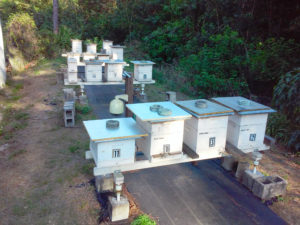
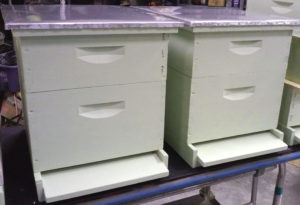
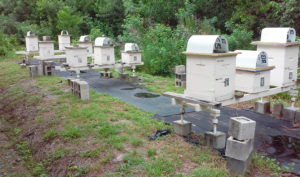
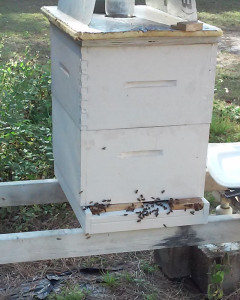
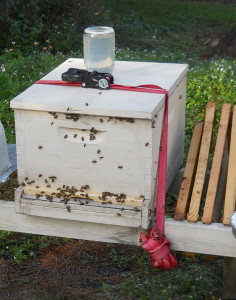
- Langstroth hives by NaplesBees




-

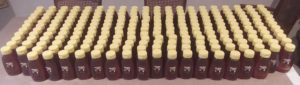
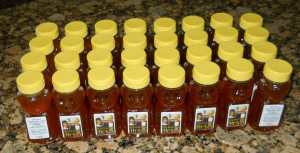
- 84 8oz bottles of our golden honey from the NaplesBees apiary.




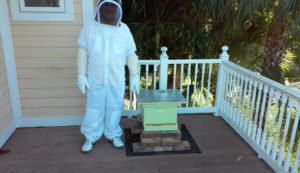
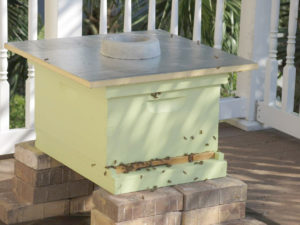


-
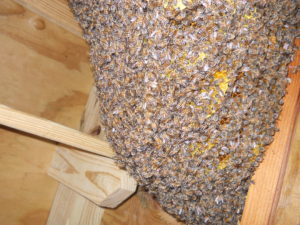
- Bees in an outdoor kitchen cabinet
-
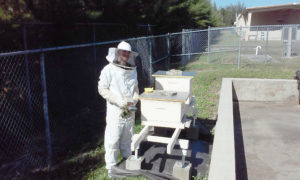
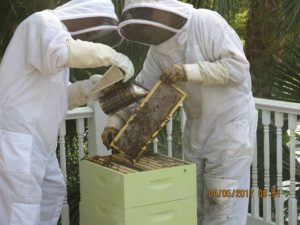
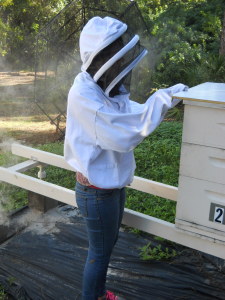
- Mark checking the hives’ status.
-
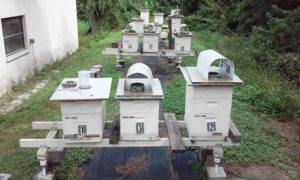
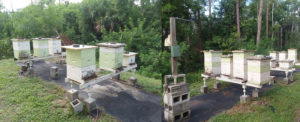
- Apiary as of October 2016 (click on for larger view)
-
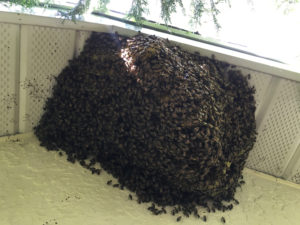
- Click on for larger picture.
-

- Small honey harvest from various hives.
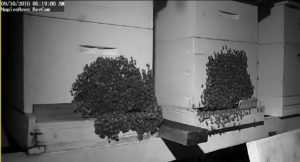
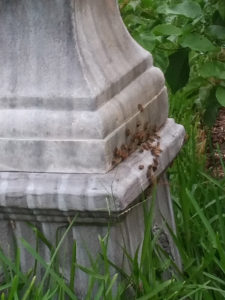
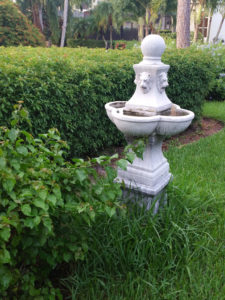
-
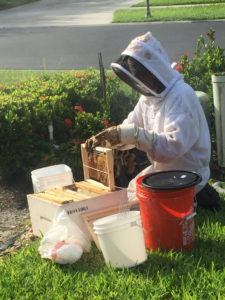
- Placing comb into brood box frames. Click on for larger picture.
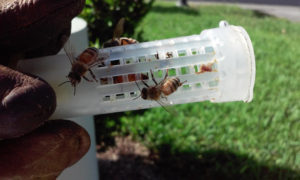
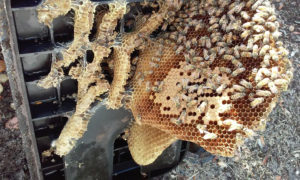
-
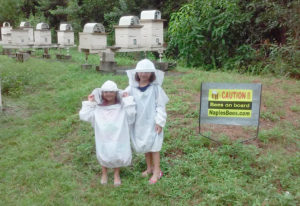
- New beekeepers visit our apiary.
-
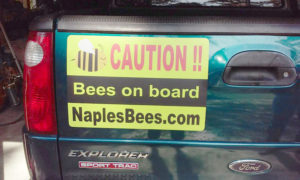
- Bee sign on our truck when transporting bees
-
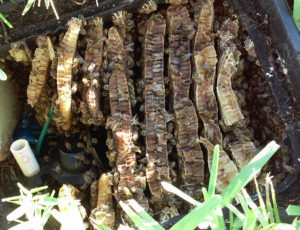
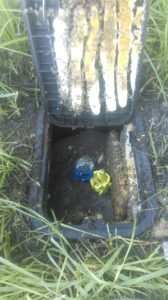
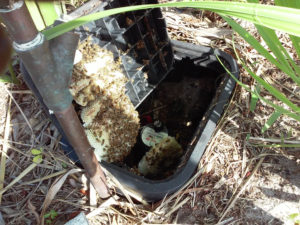
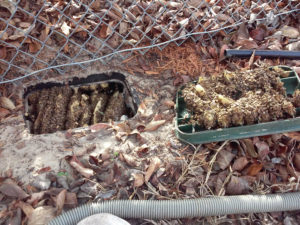
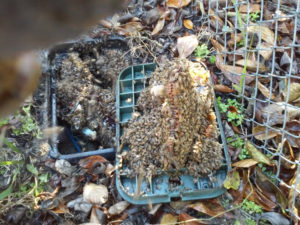
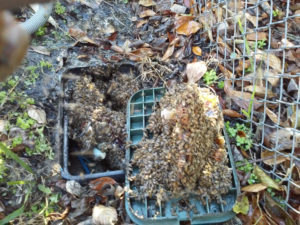
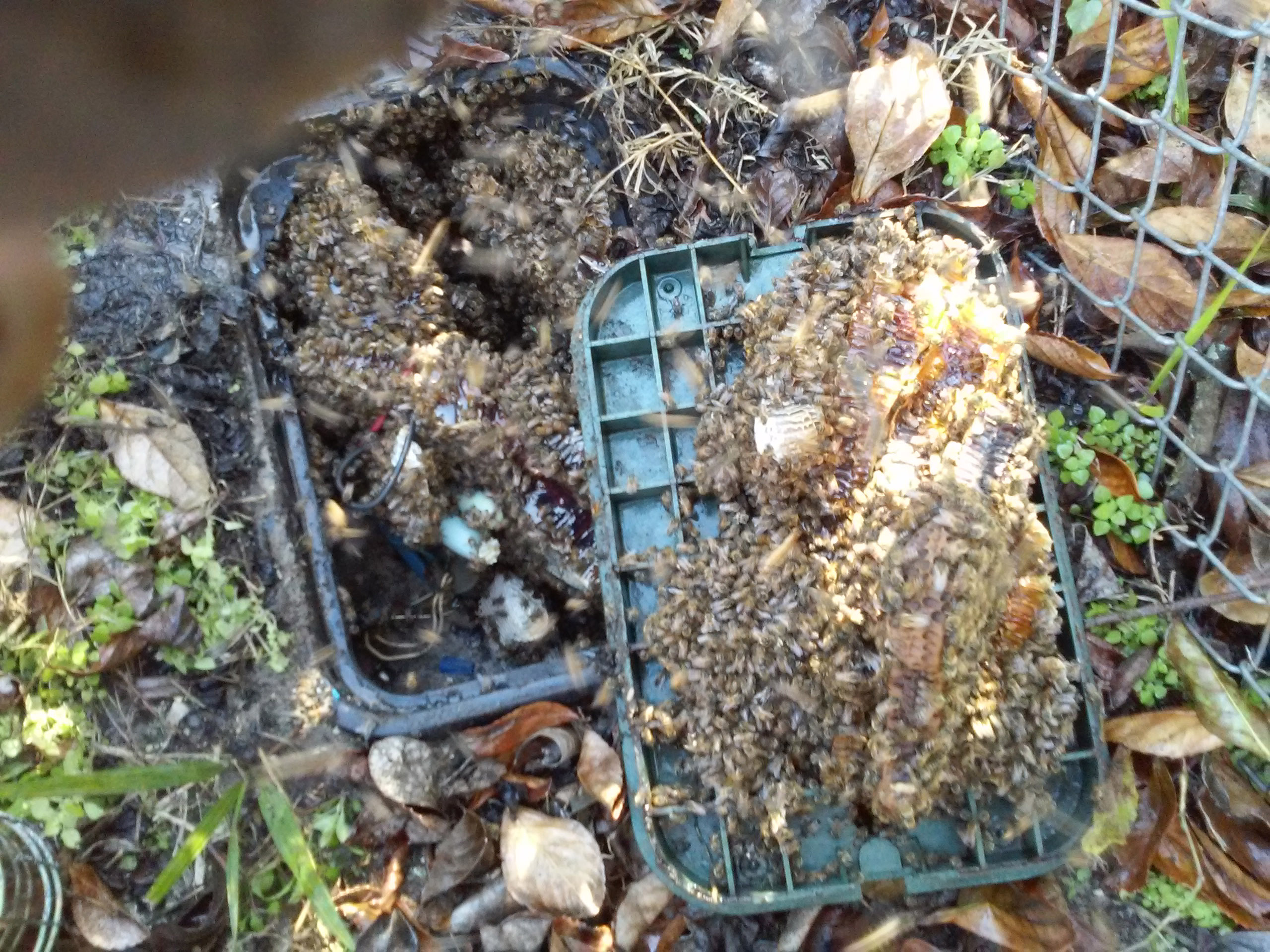
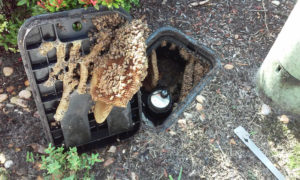
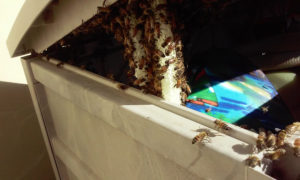
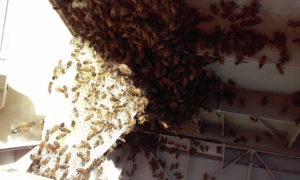
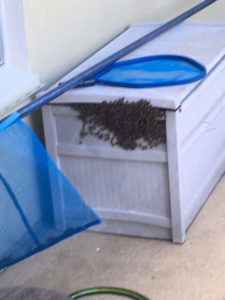
- Bees and comb packing full a ground water meter box.
-

- Honey press setup that extracted all of the honey.
-

- Bucket of honey harvested before bottleling
-

- Click on for larger view.
-
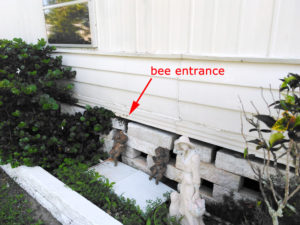
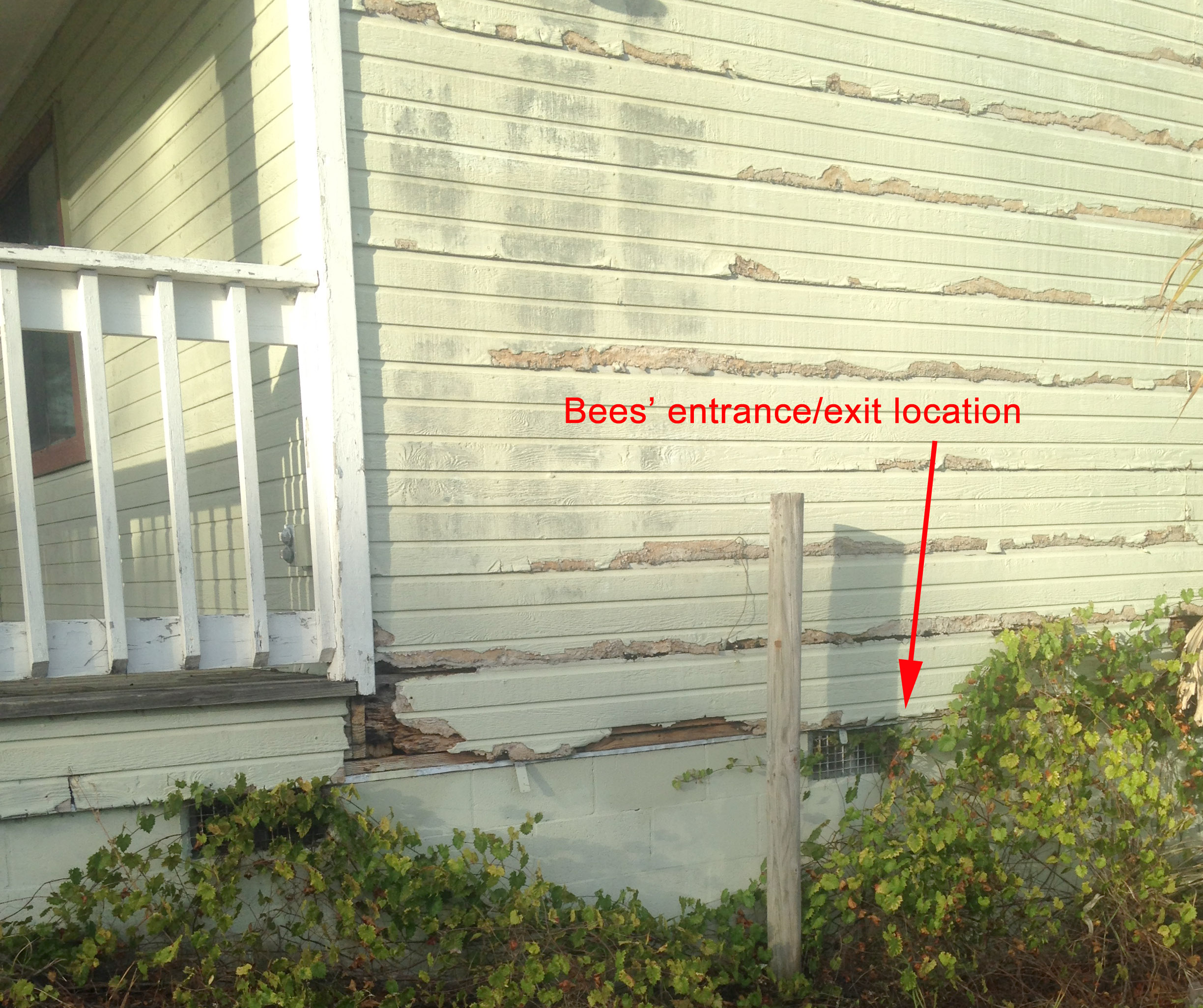
- Bee entrance under mobile home.
-
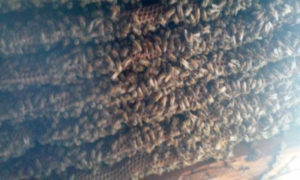
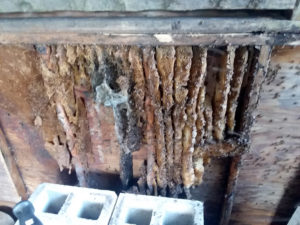
- Comb between floor joists.
-
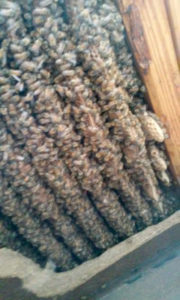
- Comb between floor joists
-
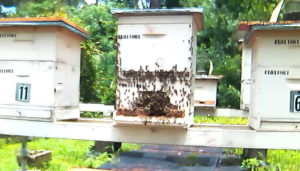
- Bees after being moved into the apiary.



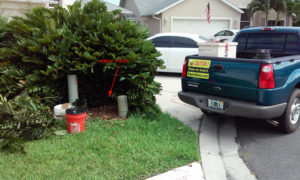


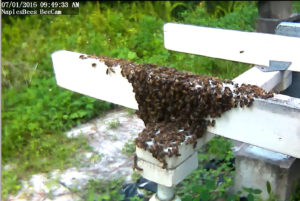
-
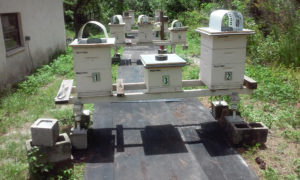
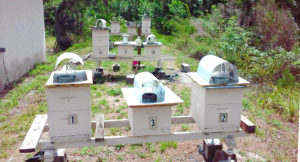
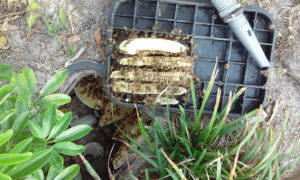
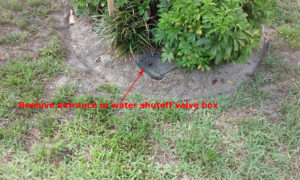
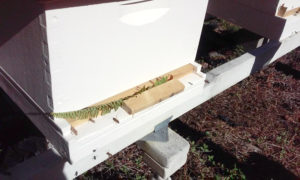
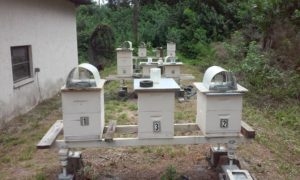
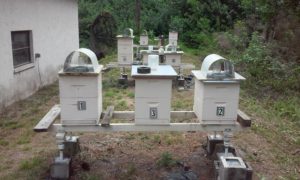
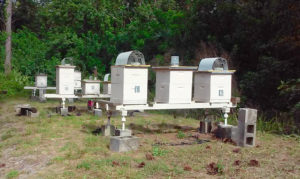
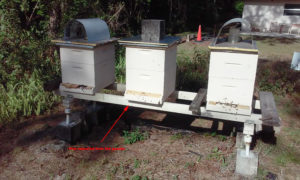
- Wildflower Apiary
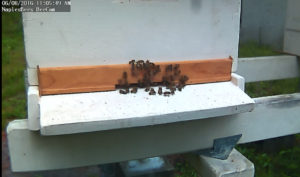




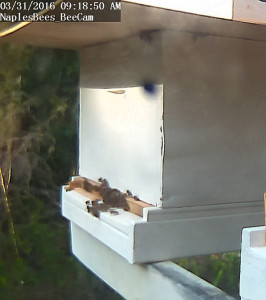
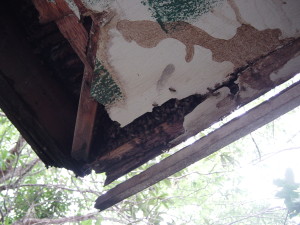
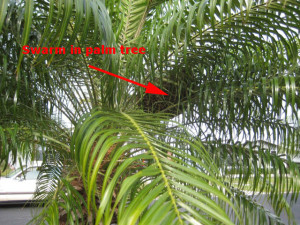
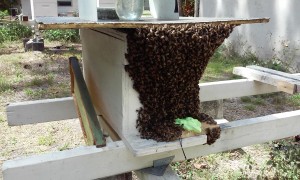





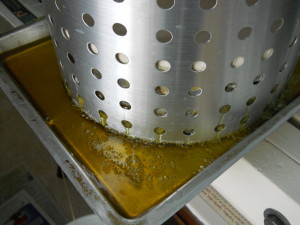



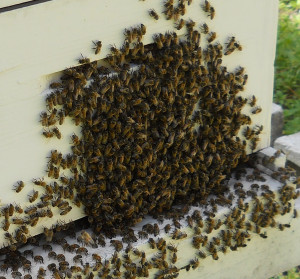
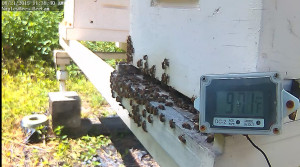


-
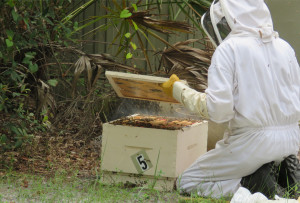
- Closing up and getting the hive ready to transport to its new home
-
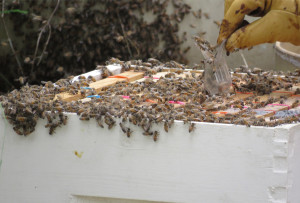
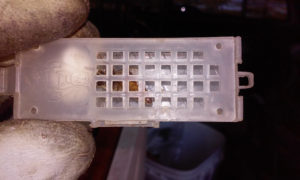
- Placing the captured queen into the hive box
-
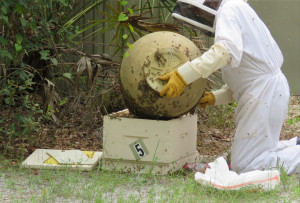
- Shaking as many remaining bees into the hive box
-
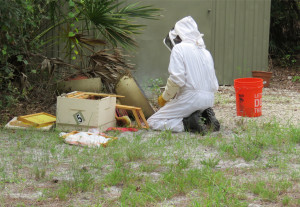
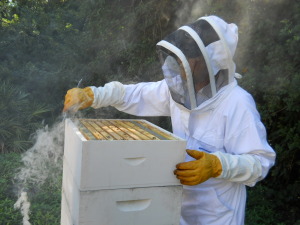
- Smoking the hive and looking for the queen
-
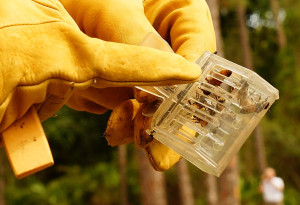
- Found the queen and she looks healthy and active
-
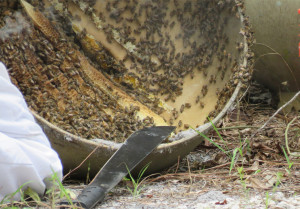
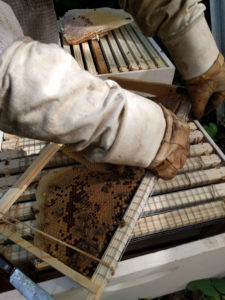
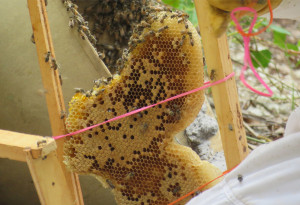
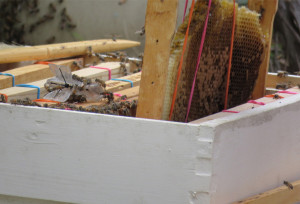
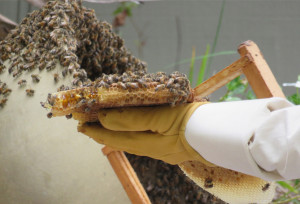
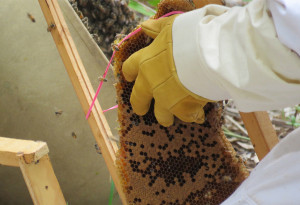
- Removing the comb and placing into empty frames
-
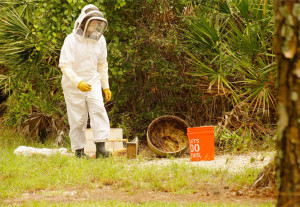
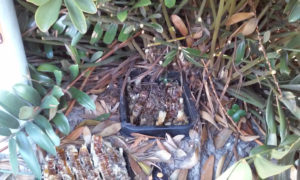
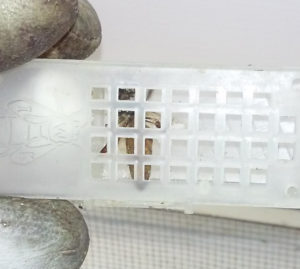
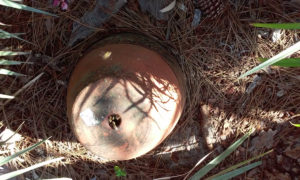
- First step is to tip the flower pot over and access the situation
-

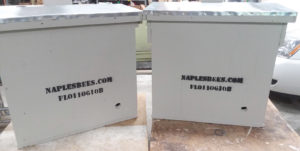
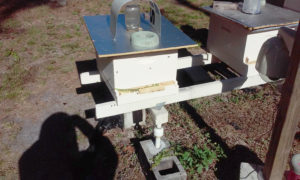
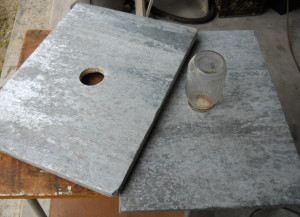
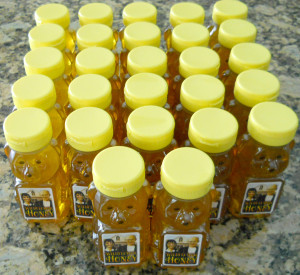
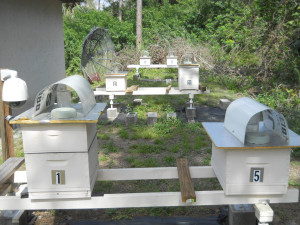
- Beehive plywood tops covered with galvanized tin
-
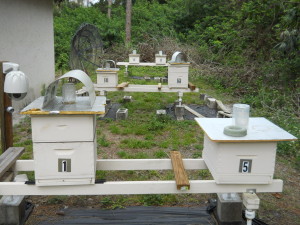
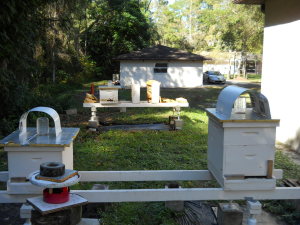
- Current hive yard view (Click on picture for larger view)
-
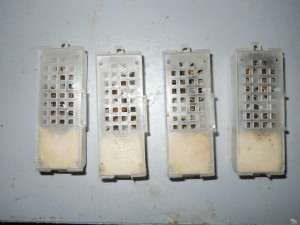
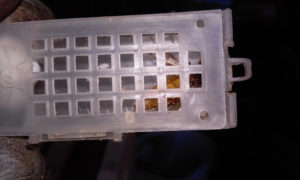
- Caged queens (click on picture for larger view)


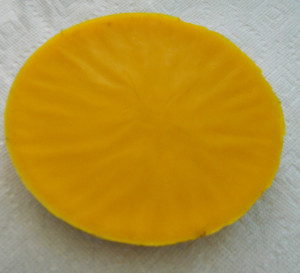

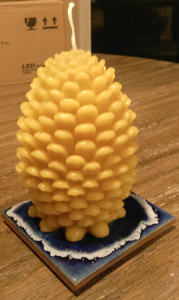
-

- Using a handheld refractometer allows the moisture content of the honey to be determined accurately before harvesting.
-

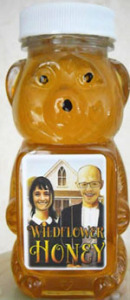
- Honey display for a breast cancer fundraiser



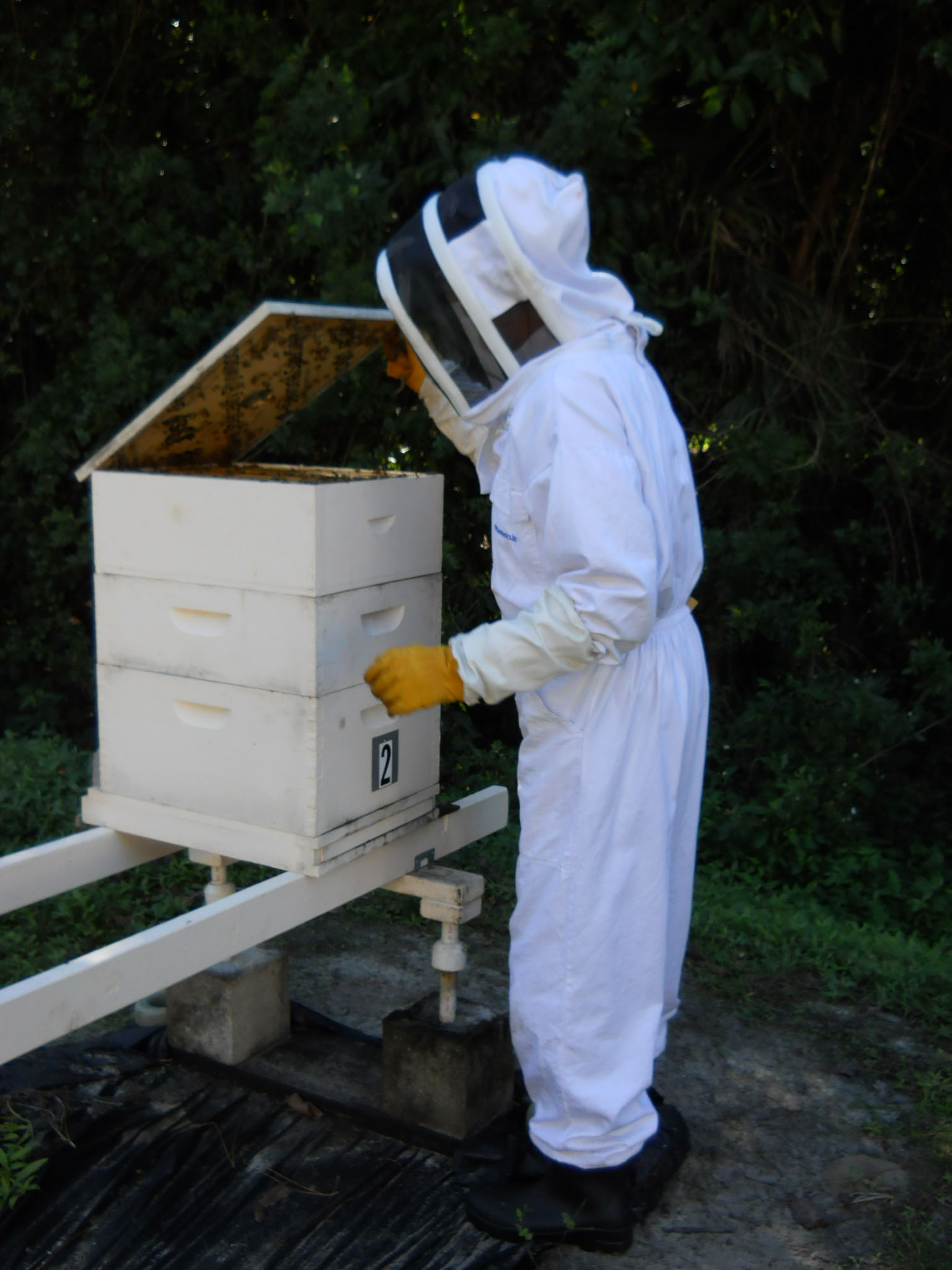
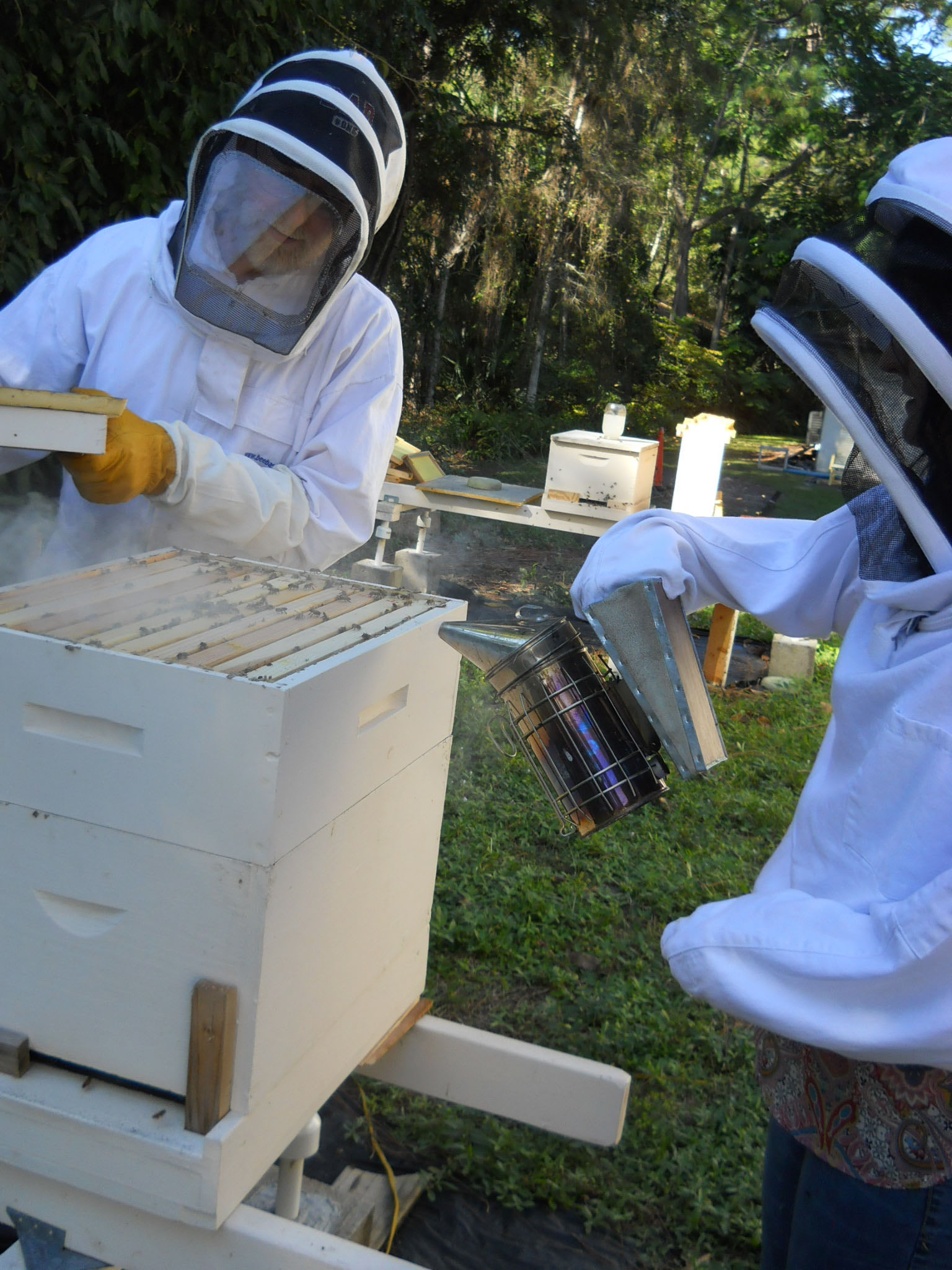
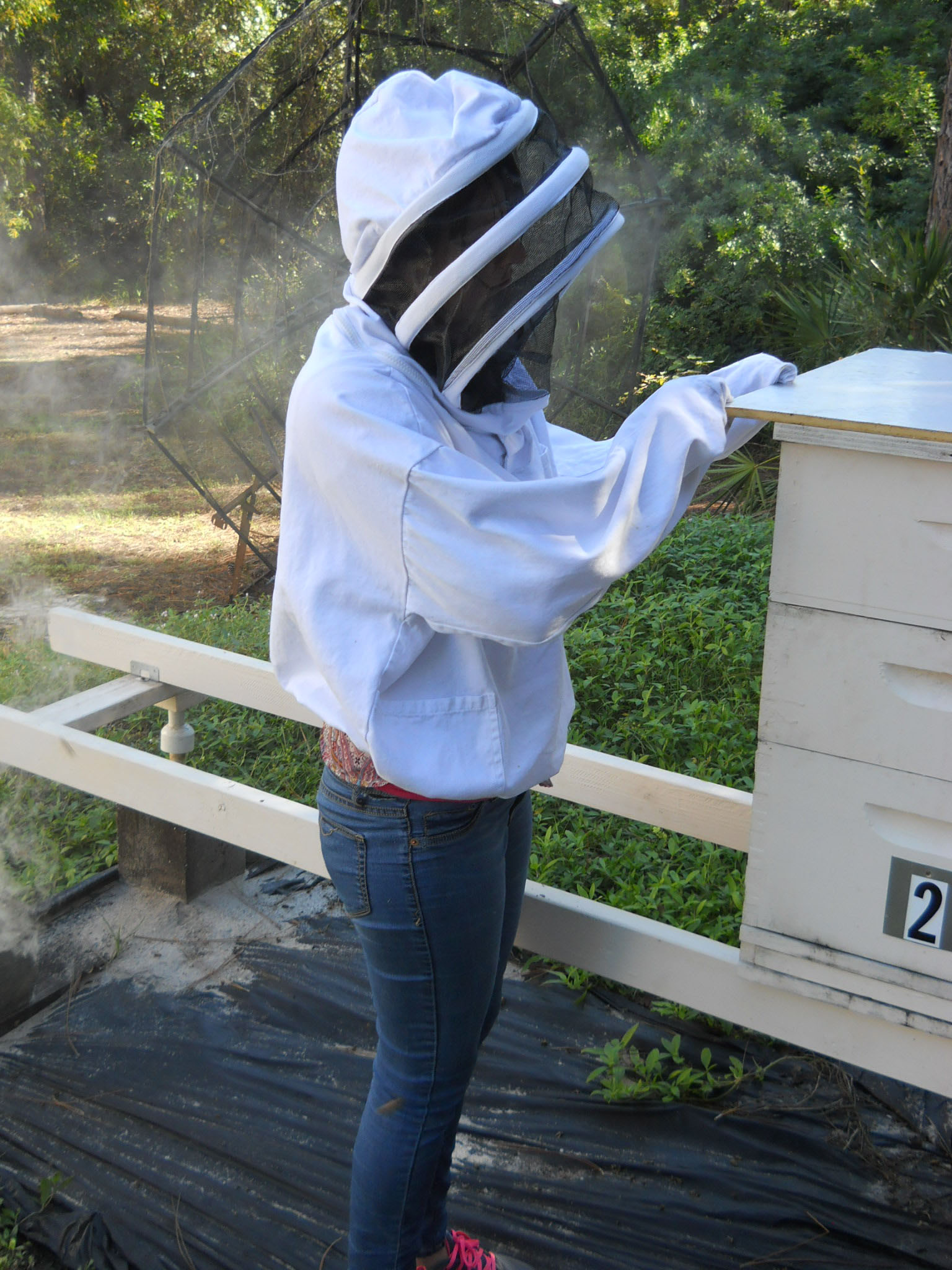
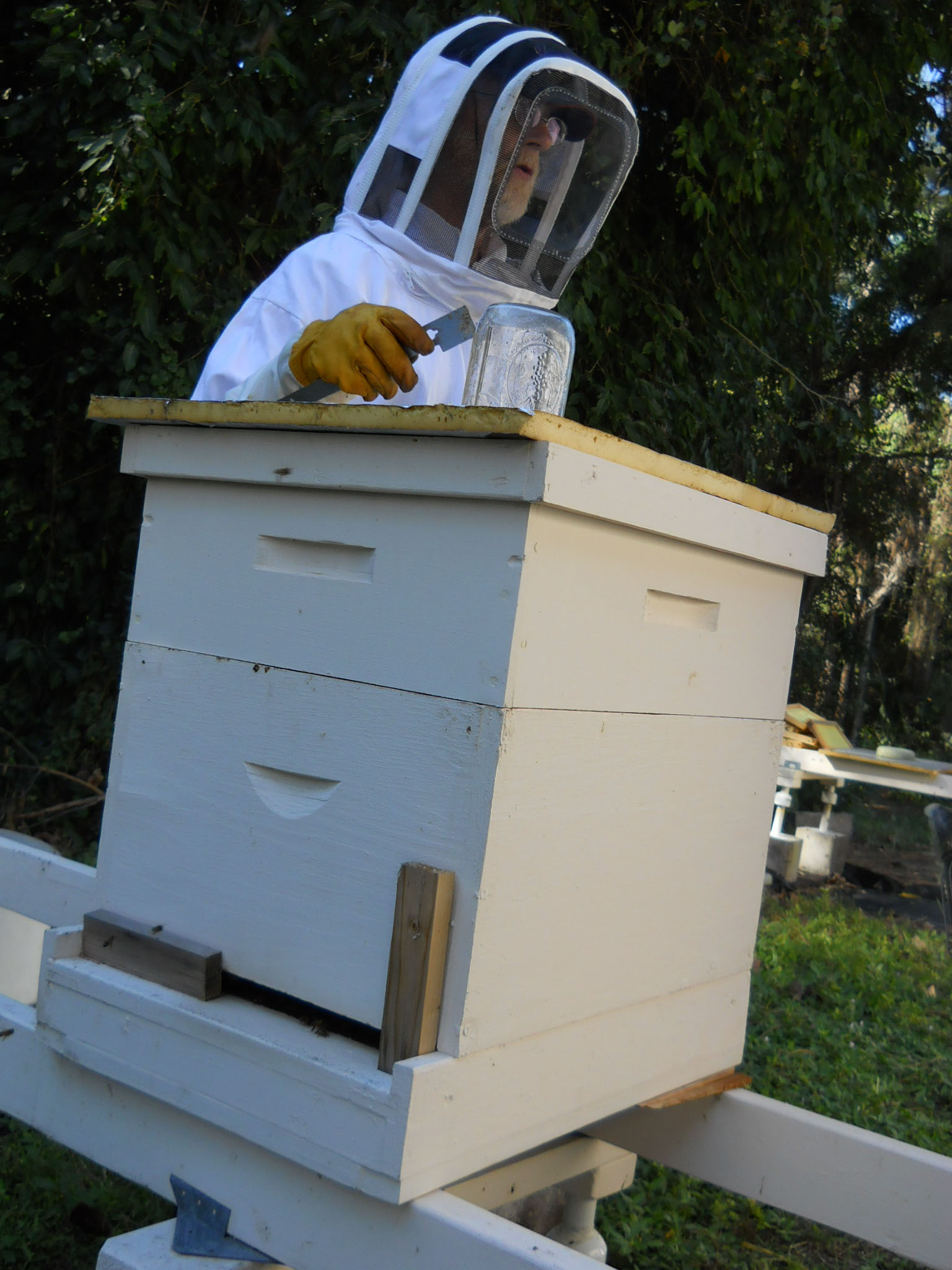










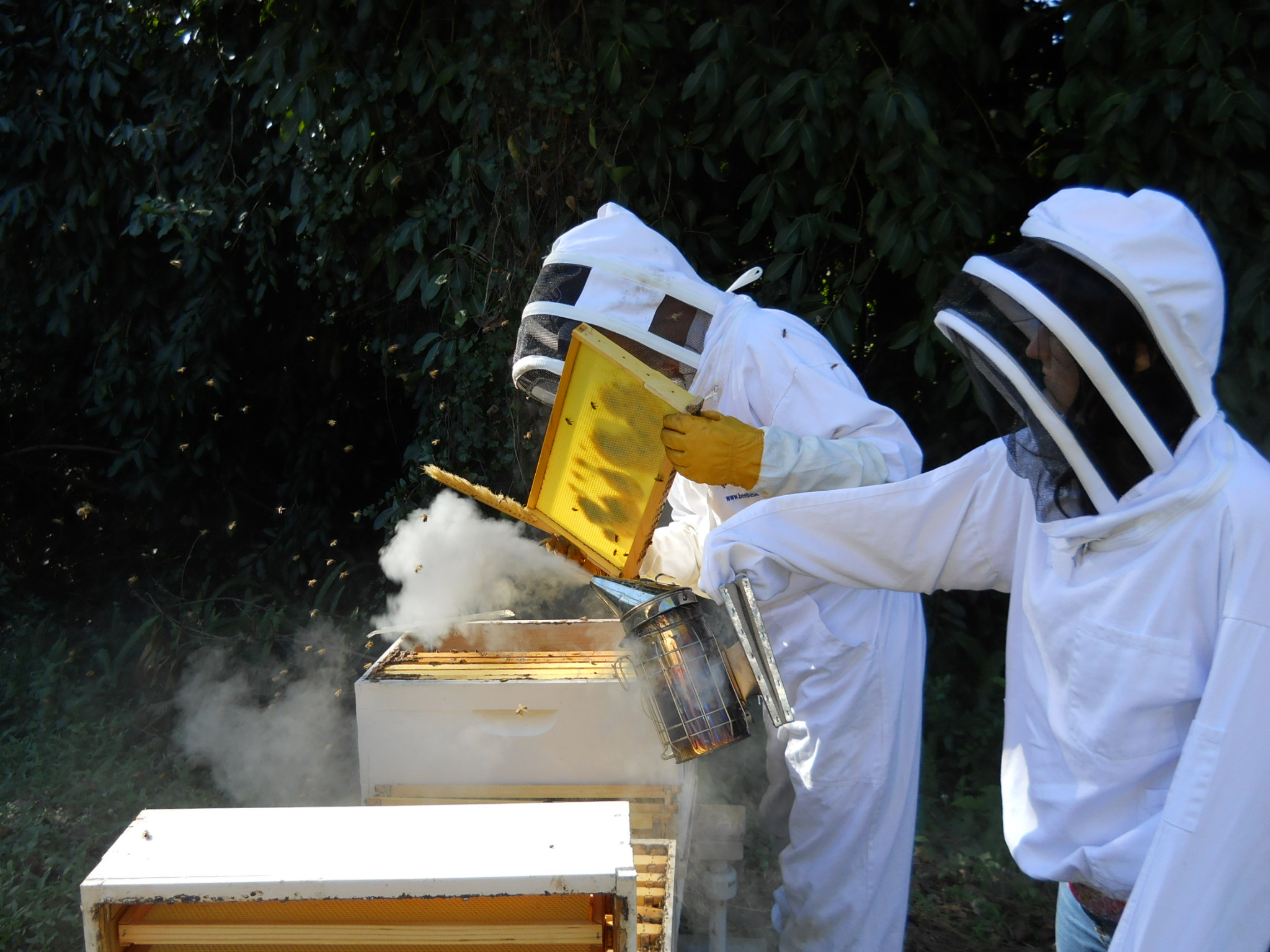
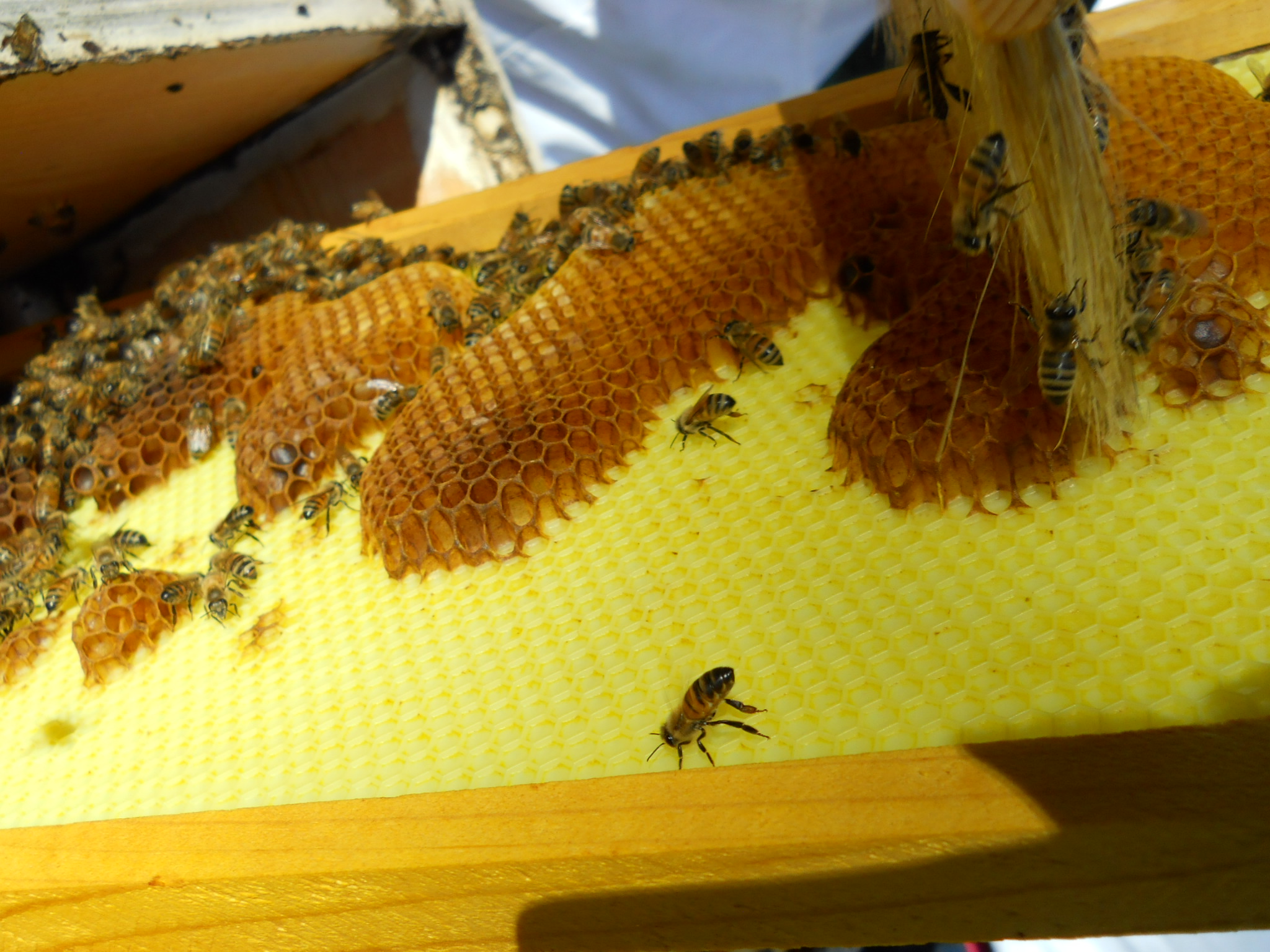
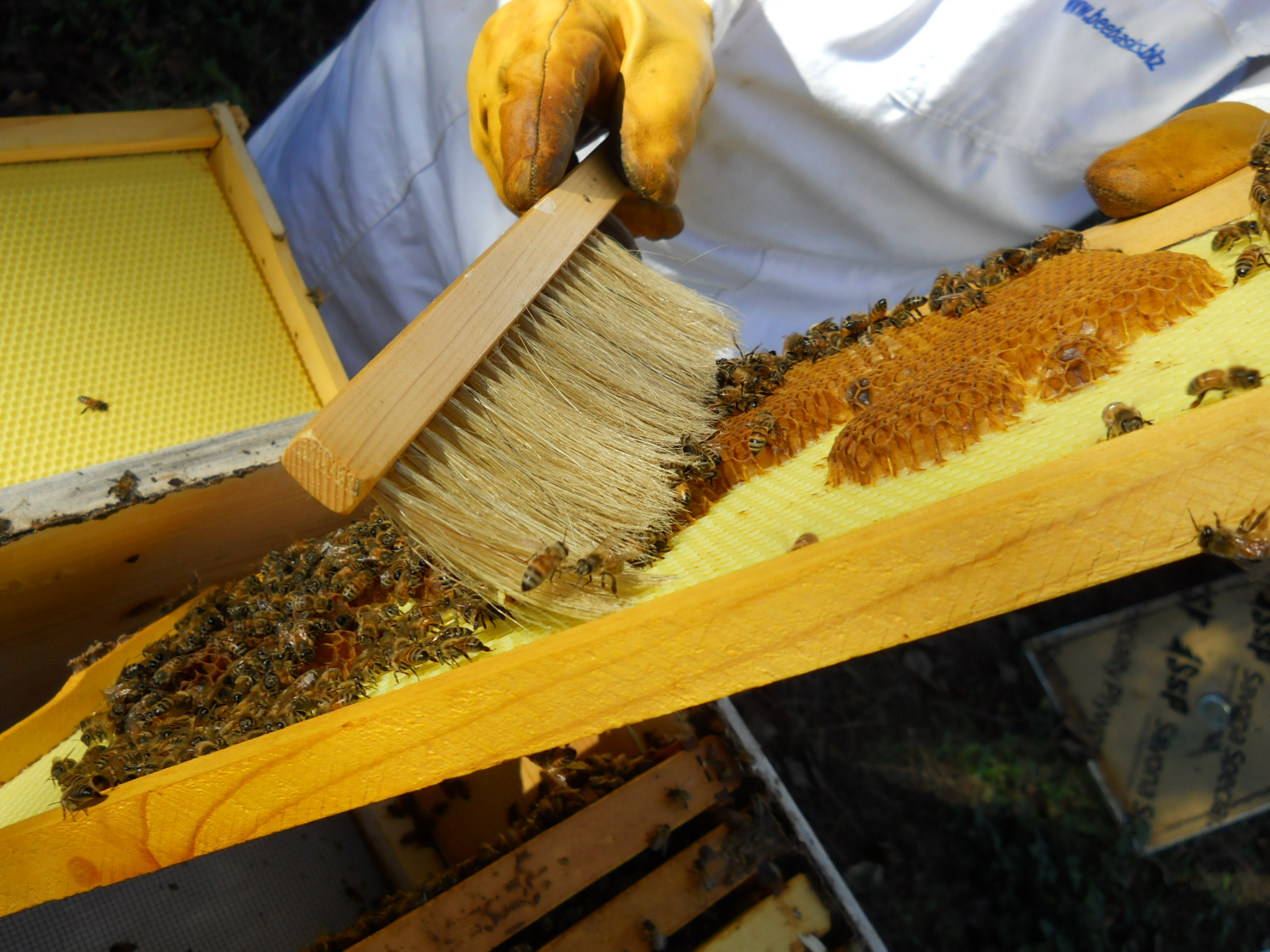
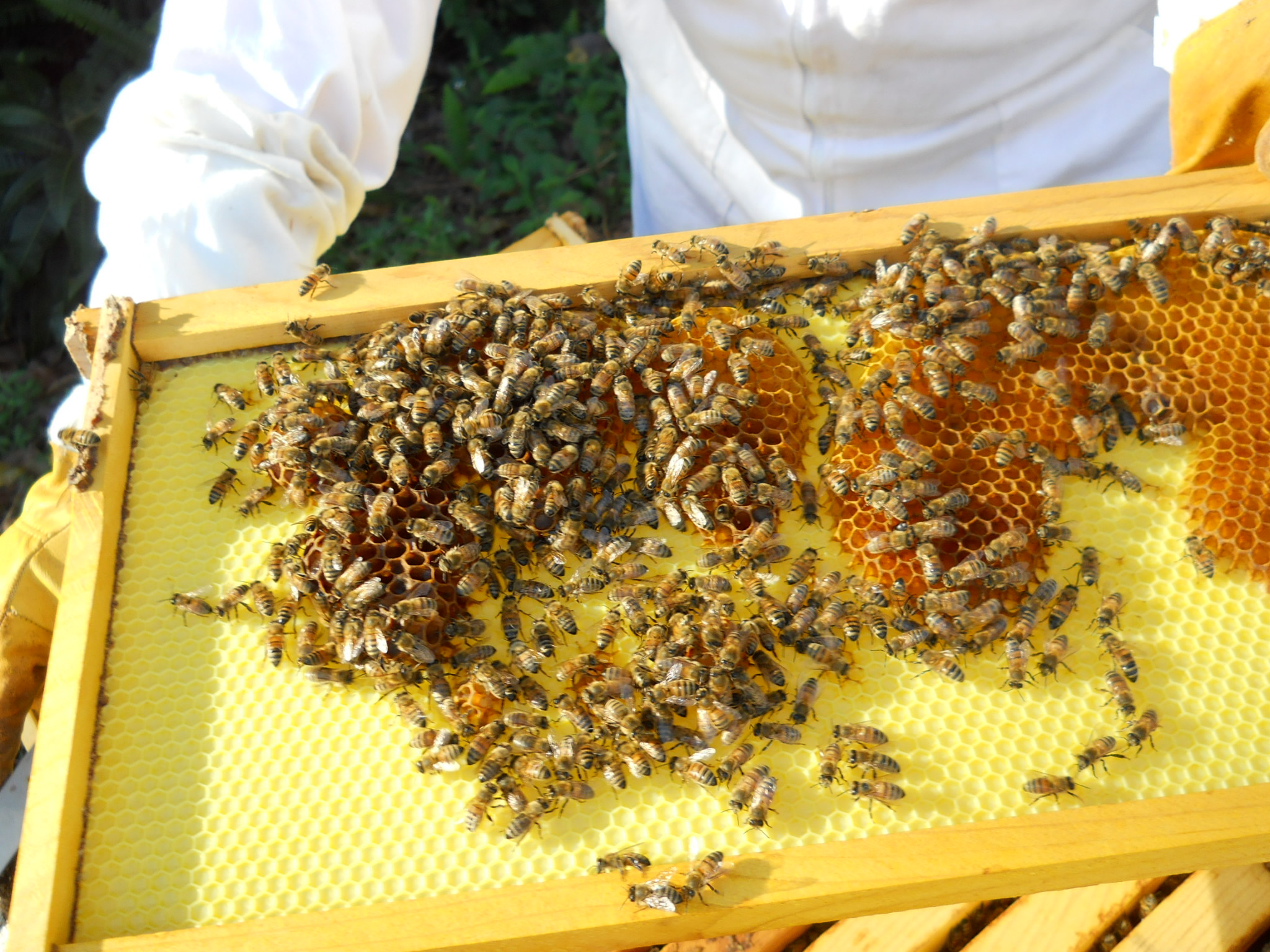




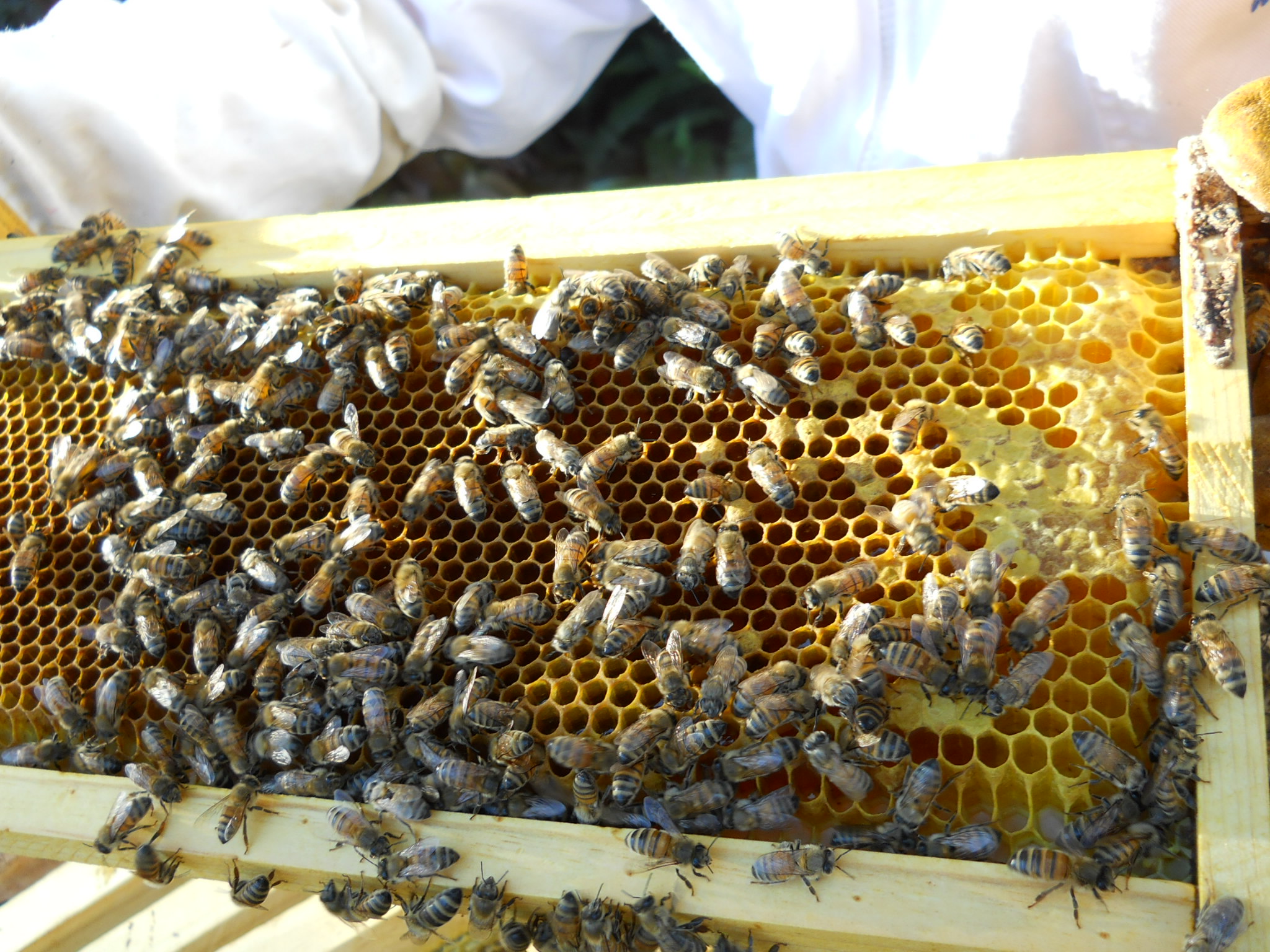
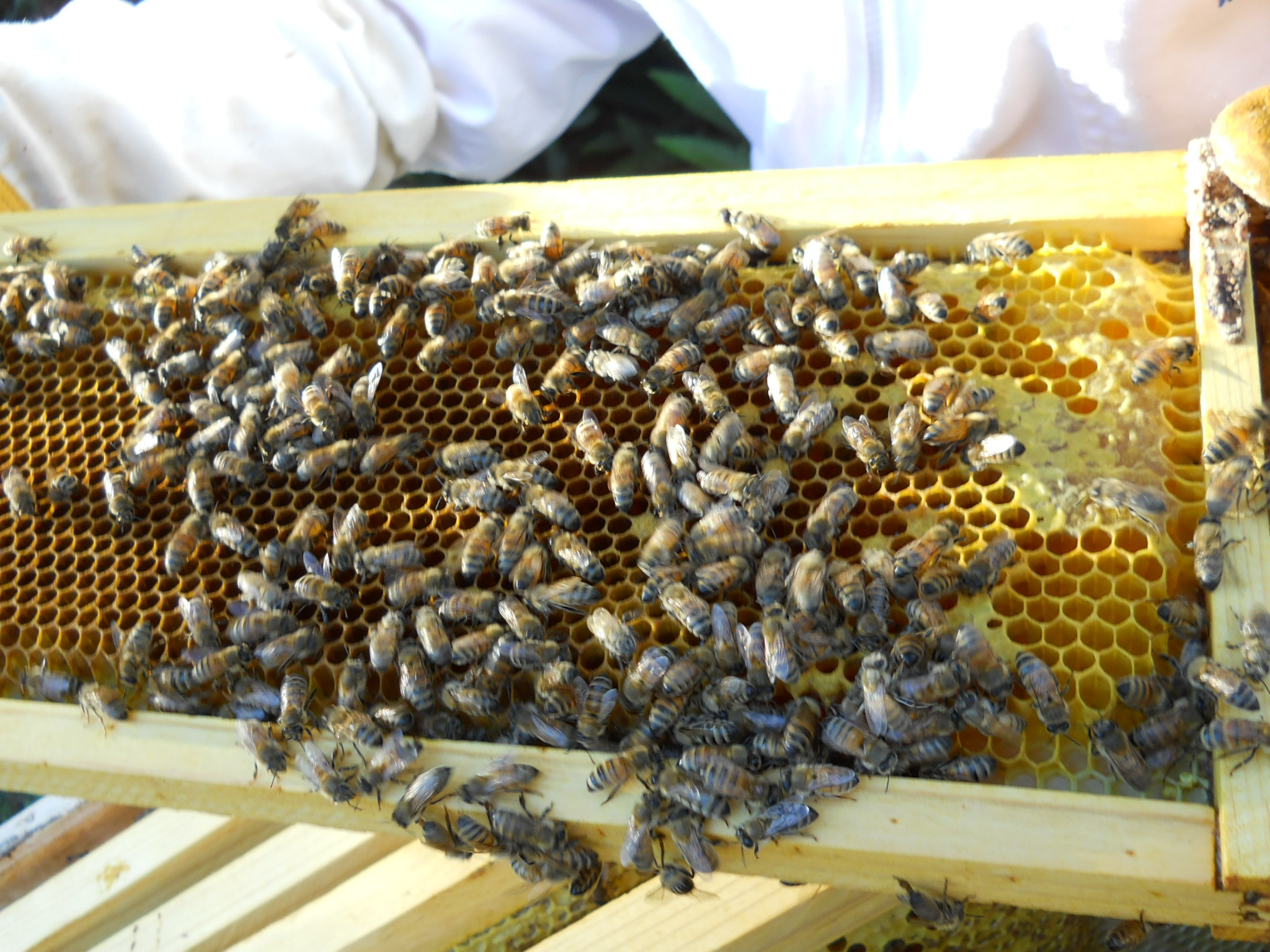
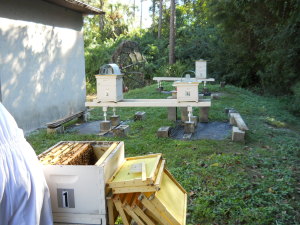
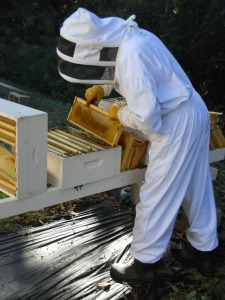
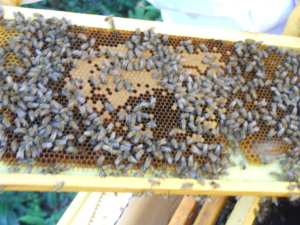

-
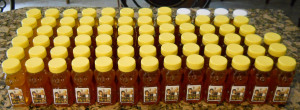
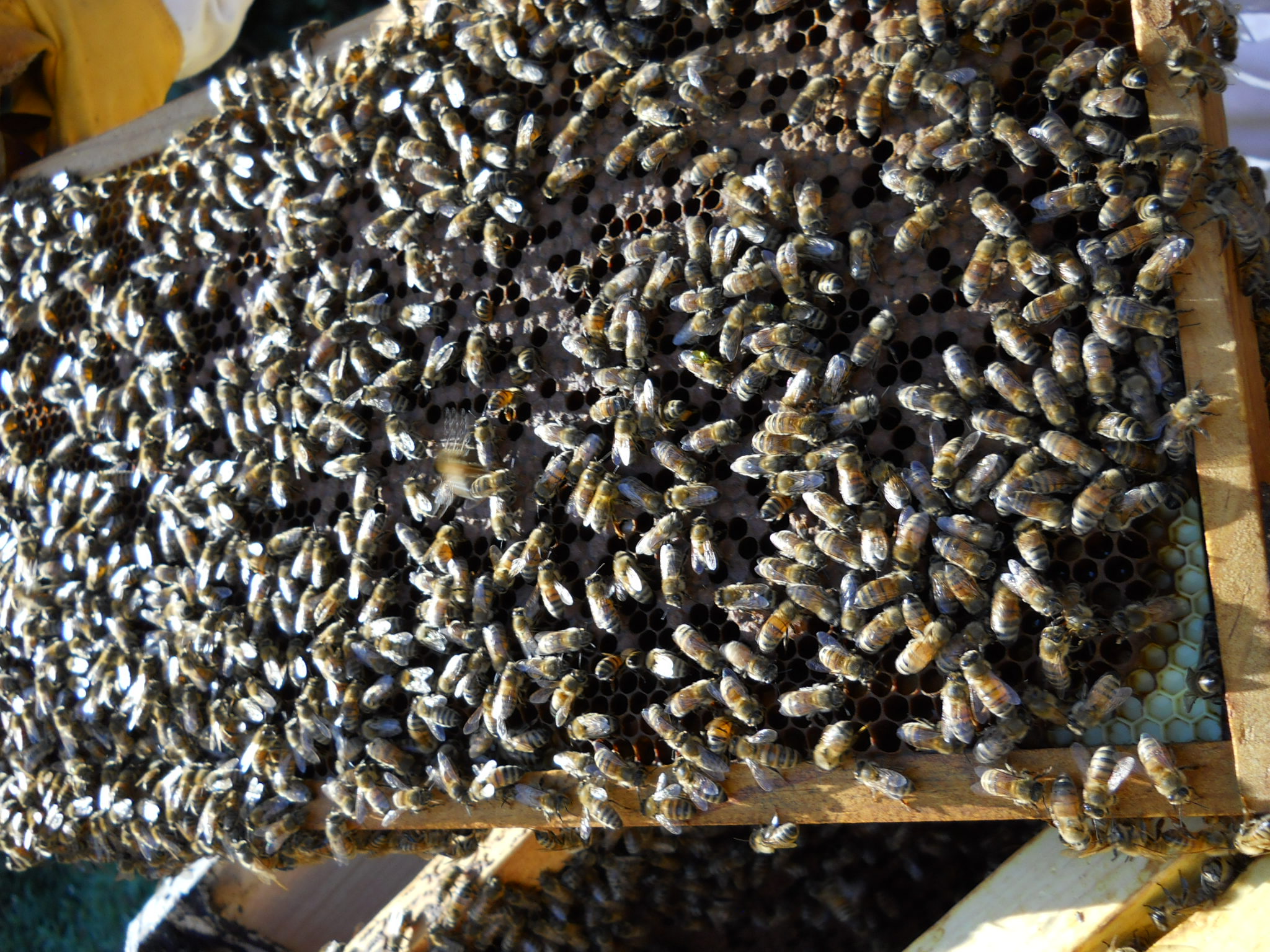
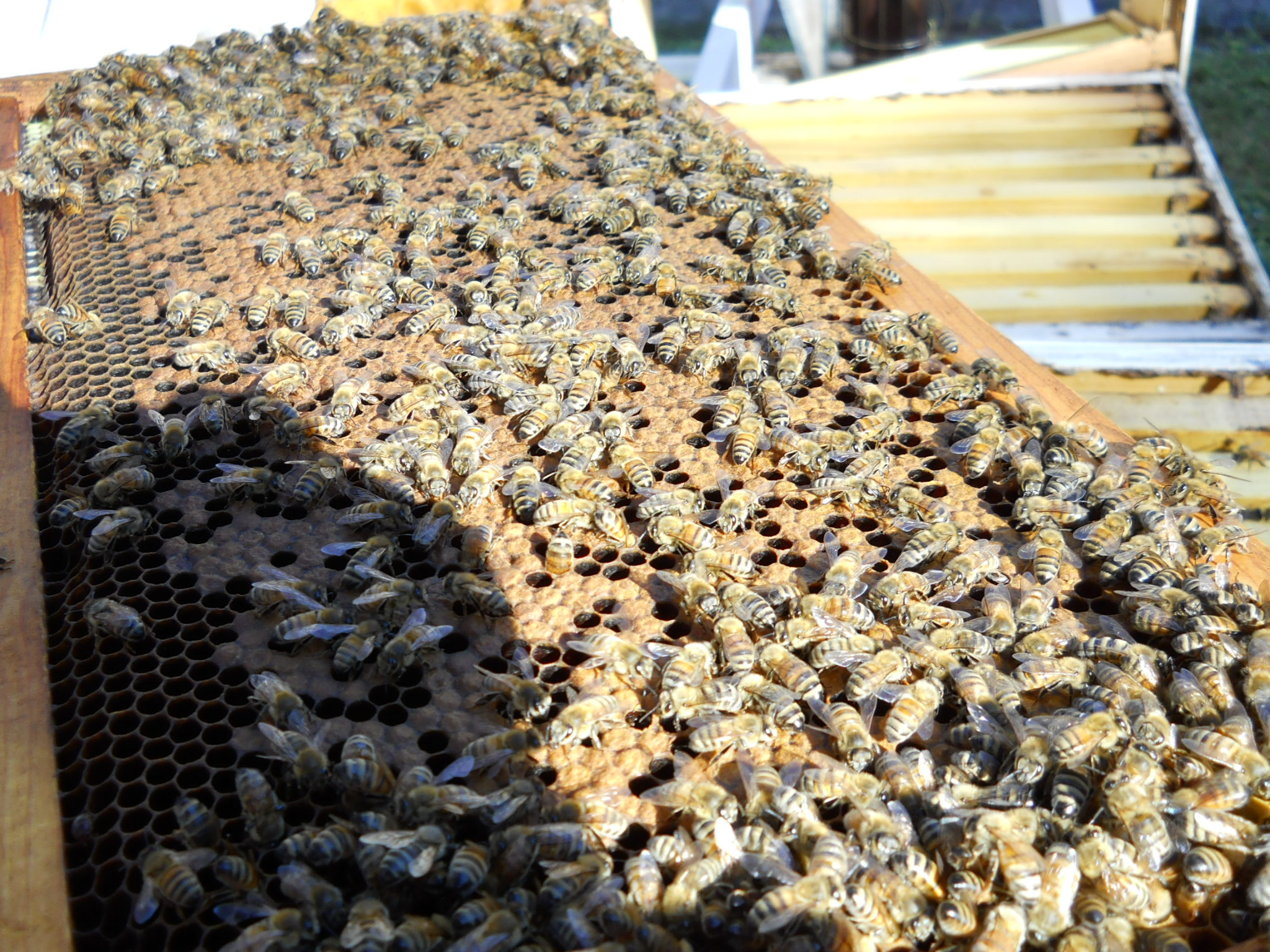
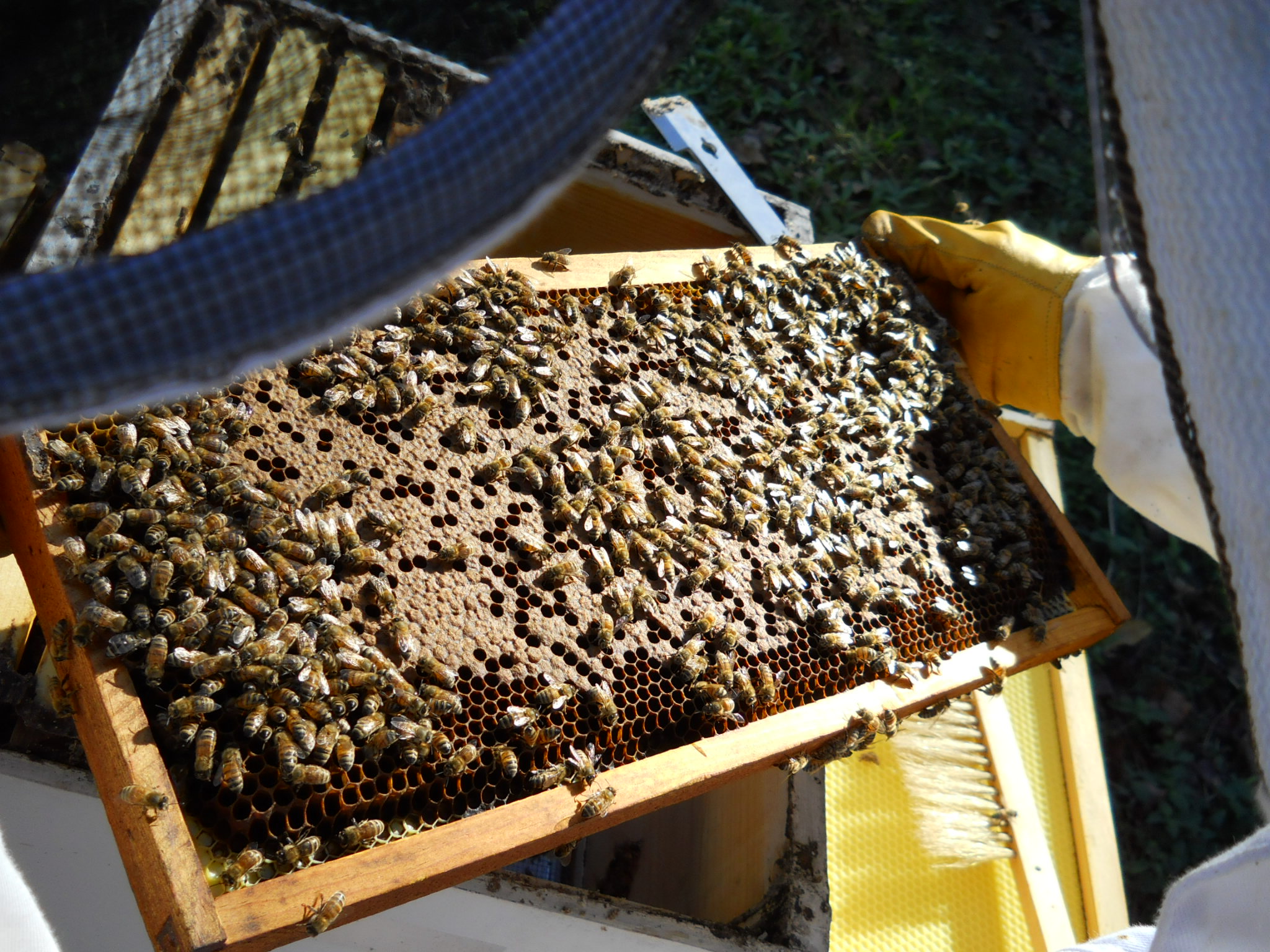
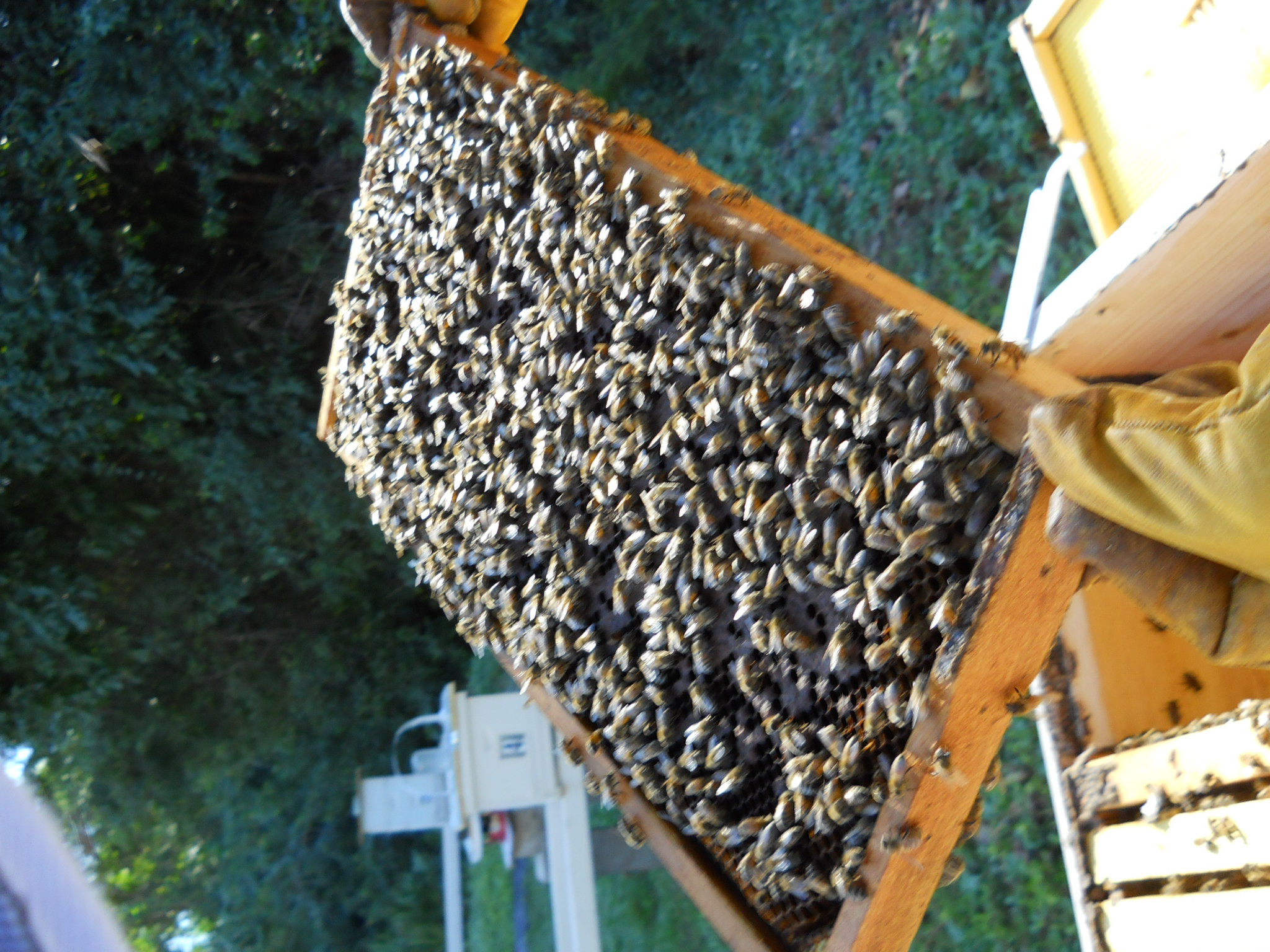
- bottled 39 pounds of honey
-
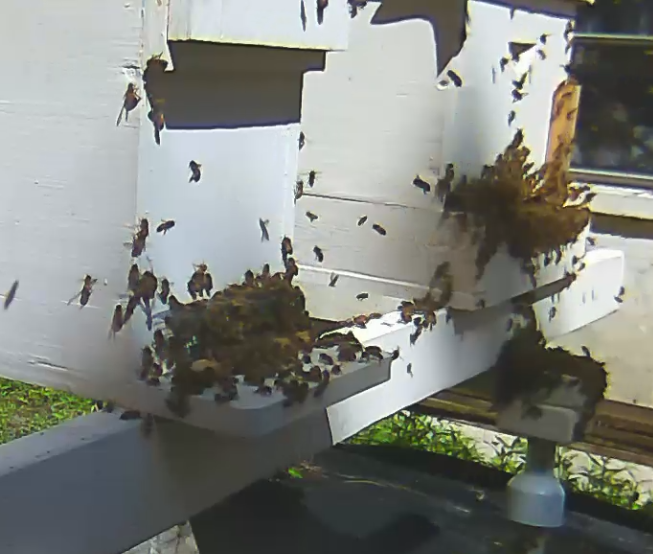
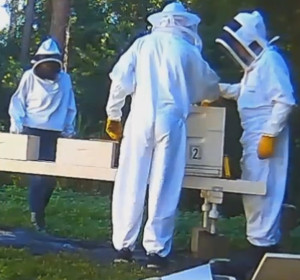
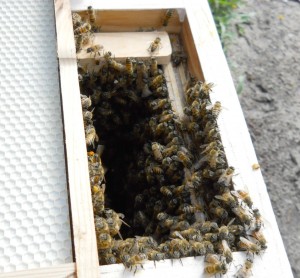
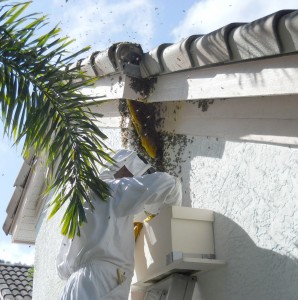
- Once at the apiary and after a day, the opening of the nuc entrance resulted in the bees leaving the nuc and going over to another hive. This happened probably because the swarm nuc was queenless. We were probably unable to get the queen because she was inside the tile roof structure on the house.
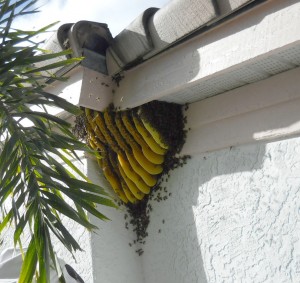
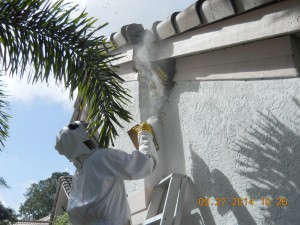
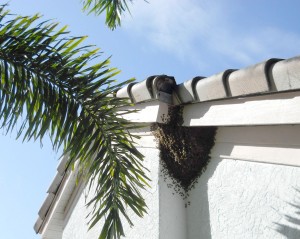
-
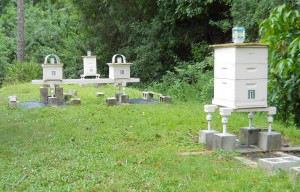
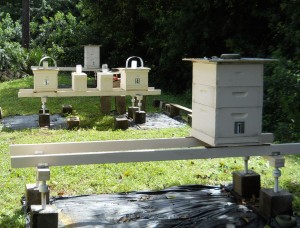
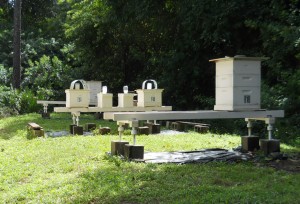
- hives at residential location
-
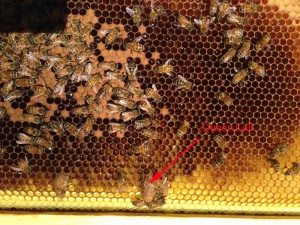
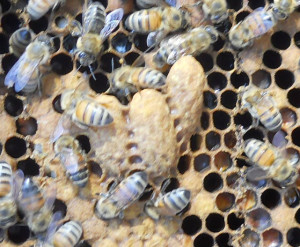
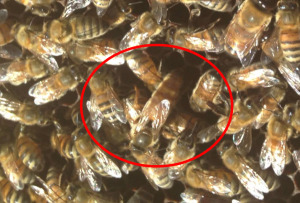
- Queen Cell
-
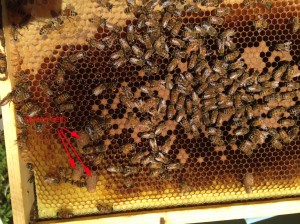
- Queen Cells
-
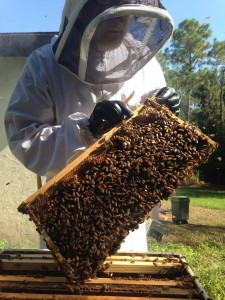
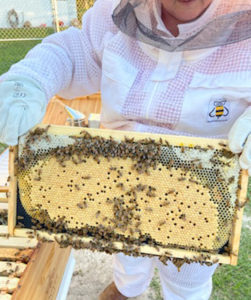
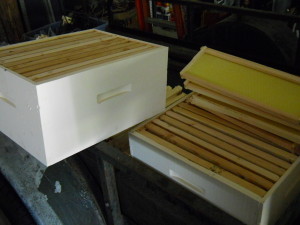
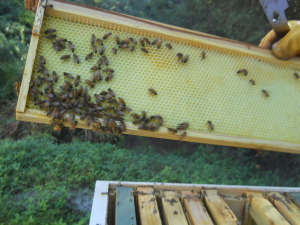
- brood frame